
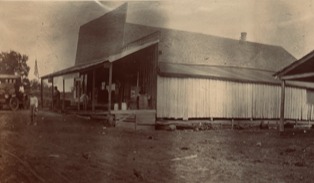
#tbt Tyler, MO, July 10, 1917 – H. M. Bruce’s General Store
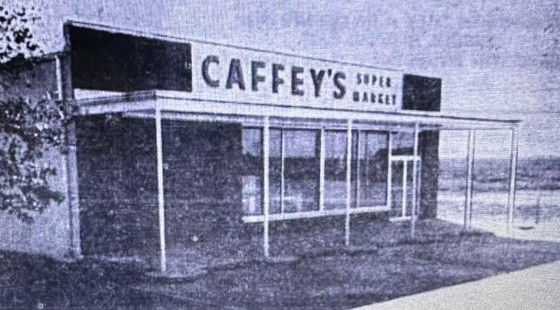
#tbt April of 1965 brought the announcement to Steele that Jim Caffey, owner of Caffey’s Supermarket, would be moving to a new location as soon as building was completed. The store had been located on 132 Main Street, next to Sam Hamra’s Store, but it would be moving into a new building at 739 South Walnut Street, constructed as the beginning of a shopping plaza on the site of a former cotton field. The new store opened in December of 1965 with more modern conveniences and lots more parking.
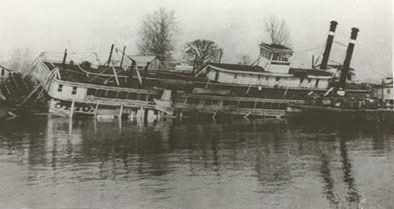
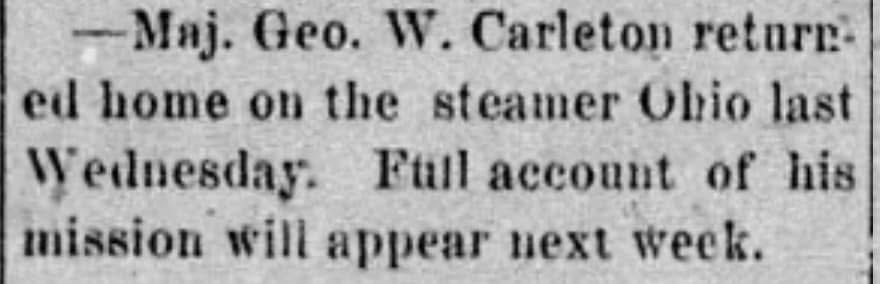
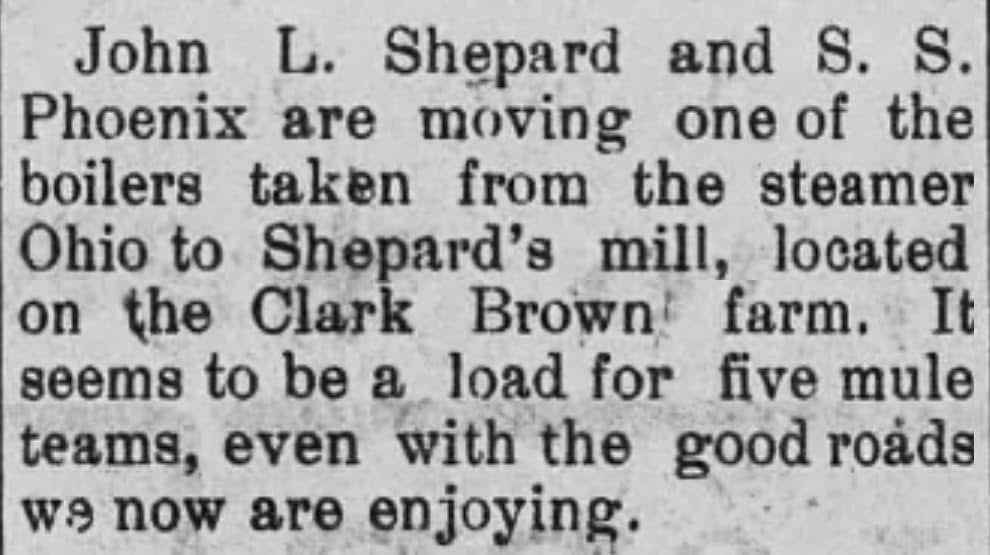
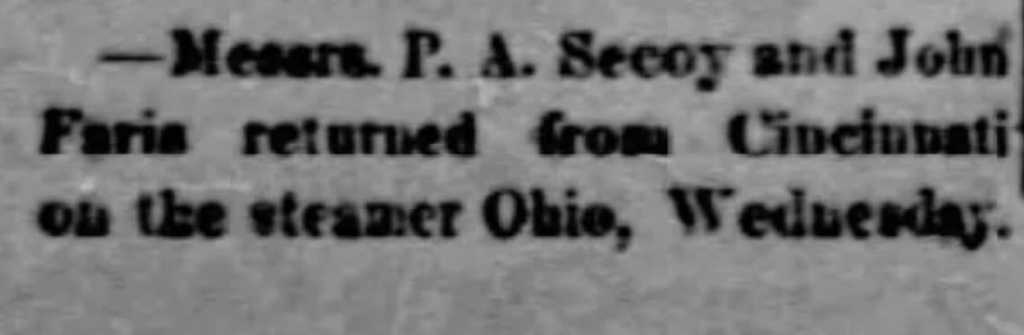
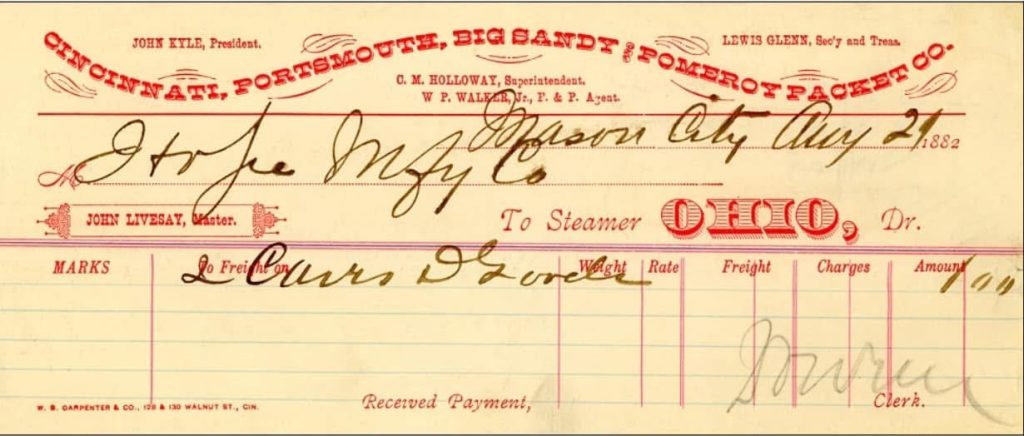
#tbt A wrecked riverboat at Cottonwood Point in 1894… the steamer “Ohio”.
The Ohio was a stern-wheeler built at Cincinnati, Ohio in 1879 as the Clifton. She was 251 × 39 x 5.5 feet; 716 tons. This stern wheel Clifton was sunk by ice in the mouth of the Kentucky River on January 21, 1881.
She was raised, rebuilt and renamed the Ohio on October 4,1881. The Ohio ran in the Cincinnati – Memphis – New Orleans trade along with the DeSoto, Buckeye State, Granite State and others under the White Collar Line.
Sank on the “old mill foundation” while ascending the Louisville Falls, Captain Don Marr, Master in 1890. Settled below the K&I bridge along the Kentucky shore, Pink Varble at the wheel. Was loaded deeply at the time and was raised.
Enroute from Memphis to Cincinnati on February 17, 1894, she struck a stump in backing out from the landing at Cottonwood Point, Missouri. She then sank, proving a total loss. The boat was valued at $25,000.The cargo that was damaged, $9,000. No lives were lost. (This is back when newspapers weren’t published on a regular schedule – only issues from April and August are shown for 1894.)
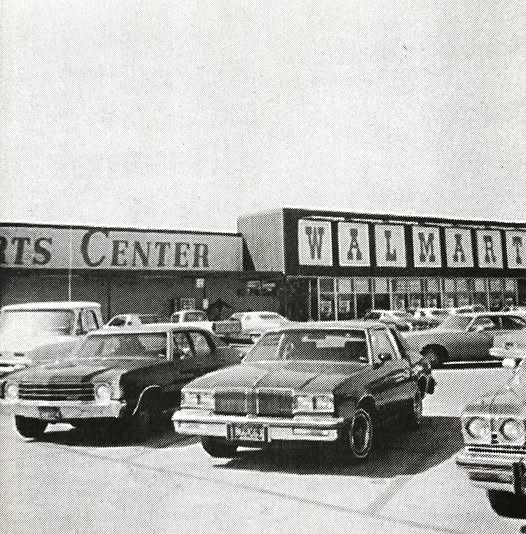
#tbt Walmart on Highway 84 in Caruthersville opened its doors in March of 1977. This photo shows the parking lot soon after opening. The store closed in January of 2017.
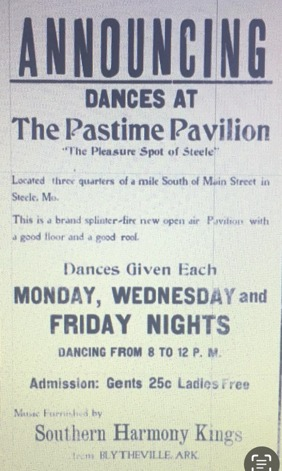
#tbt “The Pleasure Spot of Steele” – The Pastime Pavilion opened in 1926. The proprietors at the time stated that the dance hall would be run with very strict rules and that anyone coming to the place of amusement “must come with the intention of behaving, or expect ejection”. The dance floor accommodated thirty-six couples at a time and the floor was filled at every set. “Officers are continually on the ground to see that no rough stuff is pulled and that no booze is bartered nor drunk”, according to the July 15, 1926 issue of The Steele Enterprise. Large dances were held with people from all over Southeast Missouri and Northeast Arkansas attending.
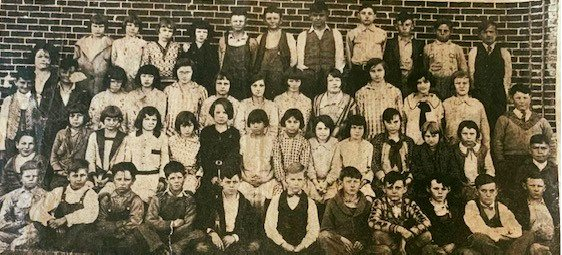
#tbt This photo shows the Cooter School 5th and 6th grade class in 1928. Students are identified as follows:
Bottom row, left to right: Paul Wright Arien Michie, Woodrow Hall, Max Coleman, Thurman DeBakey, Paul Frazier, Louis Funderburk, Lawrence Cooper, Connie Wright, Chester Gestring, “Bussie” Barger
Second row, left to right: “Grinner” Fowler, Vera Wright, Altheria Watson, Francis Vaughn, Juanita Byrd, Lorene Gilliland, Dorris Barnett, Freda Revell, Eugenia Crice, Sue Brooks, Louise Freeman, Helen Holly, Katherine Barger, Douglas Mullins
Third row, left to right: Walter Holly, Montie White, Ruby Polk, Vernell Neil, Clyde Bonds, Vera Wingfield, Virginia Frakes, Edyth Byrd, Mary Frances Coleman, Clara Bonds, Elizabeth Lucas, Irene Wilson, Paul Barber
Top row, left to right: Mrs. Artie B. Barnes, teacher, MIldred Harris, Ruby Hollingsworth, Elizabeth Huey, Virgie Travis, Russell Corbin, Edward Thompson, Richard Young, Colbert Costman, Lloyd Barnett, Buddy Barnett, Lawrence Coleman
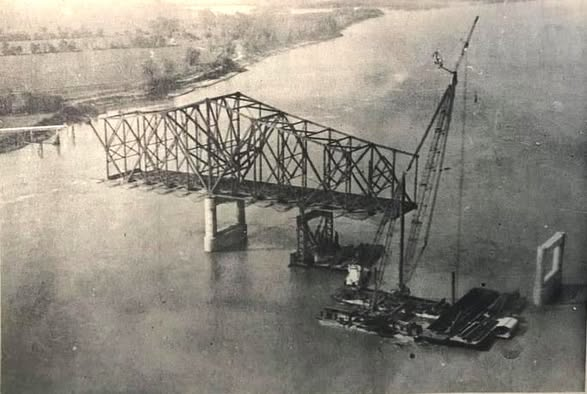
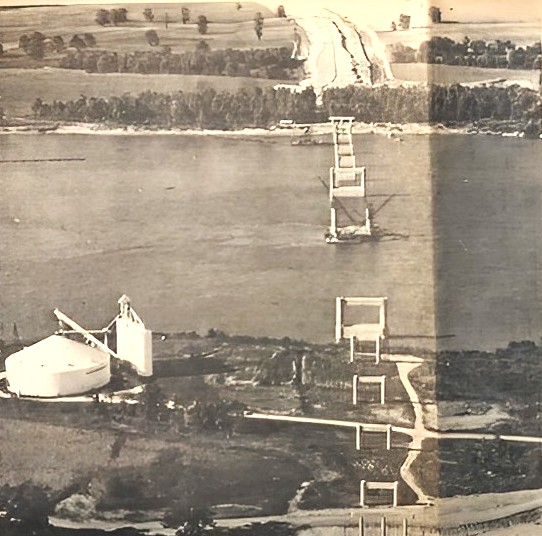
#tbt The bridge pilings in the early stages of construction shown from the Tennessee side in the top photo and while under construction in 1973. The bottom photo shows the bridge when it was about 50 percent completed. The bridge opened to traffic on December 1, 1976.
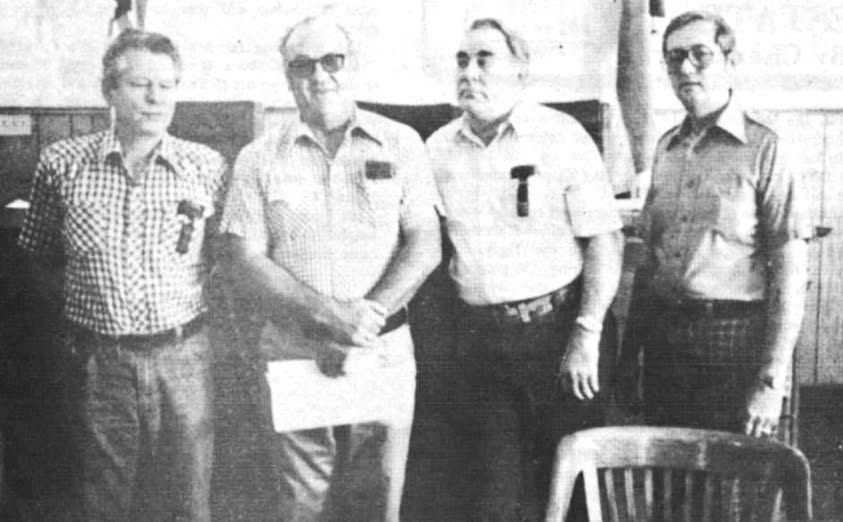
#tbt Pemiscot County swearing in for new sheriff Charles Albert Faris in 1976. Shown here are Presiding County Commissioner D. J. Merideth, Faris, County Court Judge John Dunavant, and County Clerk John Alford.
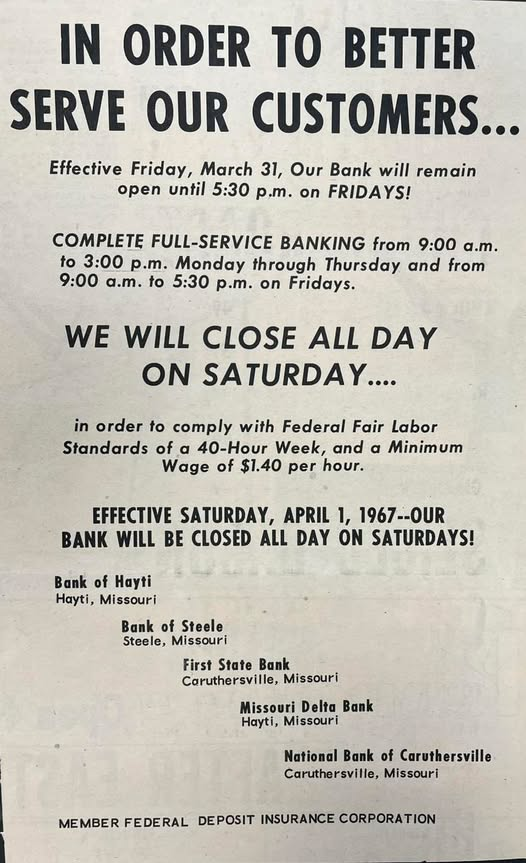
#tbt. Before 1967, area banks were open on Saturdays to better accommodate farm workers who came to town. However Fair Labor practices mandated the 40-hour work week and farm labor had become mechanized, so it was decided that Saturday bank access was no longer needed. (Note that minimum wage in 1967 of $1.40 per hour!)
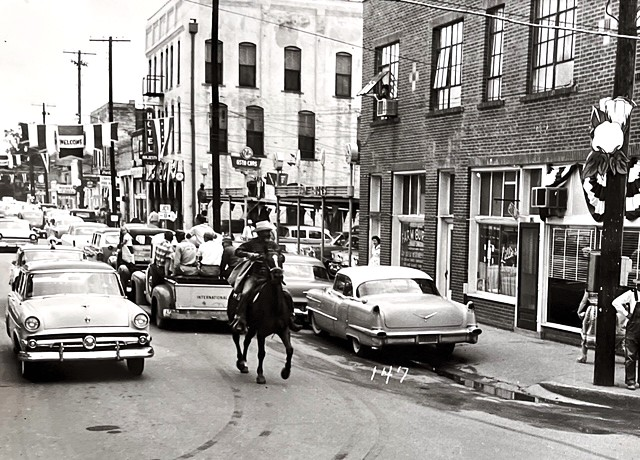
#tbt Here is an unusual sight – a horse being ridden in the middle of traffic on 3rd Street in the late 1950s. On the right, you can see the Majestic Hotel and the Slentz Used car lot.
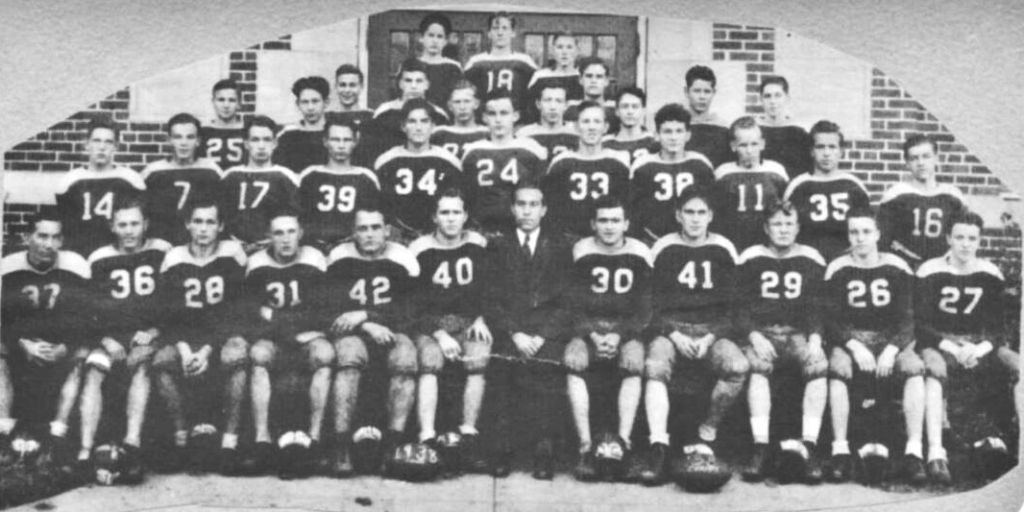
#tbt The ‘winningest” CHS football team (to that point – 1938) shows Coach Jack Hopke, whom Hopke Field is named for, with his undefeated Tigers. The team won 8 of 8 games played and were scored upon only twice.
First row, left to right: E. Murphy, L. Crawford, Harold Hinchey, J. T. Holt, B. Mick, Charles Ross, Coach Hopke, H. Lafferty, Harry May, P. Neal, Jack Tipton, and Joe Tipton.
Second row: C. McCoy, John England, Claude Stewart, B. Green, C. Malugen, H. Magee, W. Crawford, G. Lafferty, Bob Gaither, C. Cunningham, and D. George.
Third row: C. Sutton, M. Hoffman, S. Sutton, B. Tipton, George Moody, A. Tilman, Jack Neeley, G. Michie, D. J. Merideth, B. Randolph, and Fourth row: Carl Ulmer, Roy Davis, and Charles Hendrix.
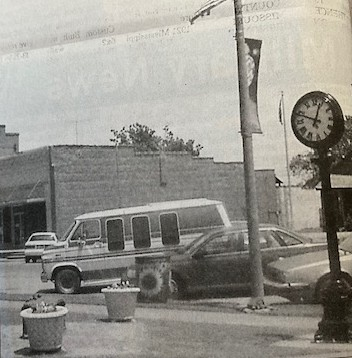
#tbt In 2000, a new clock, new flower pots and banners were brightening up the Hayti downtown square for Spring. Improved streetlights were added later that year. Even in February of 1909, The Hayti Herald described how the city was beautifying their “court square”, It was to be a “beauty spot and ornament for the entire town and everyone will share their part of the benefit”.
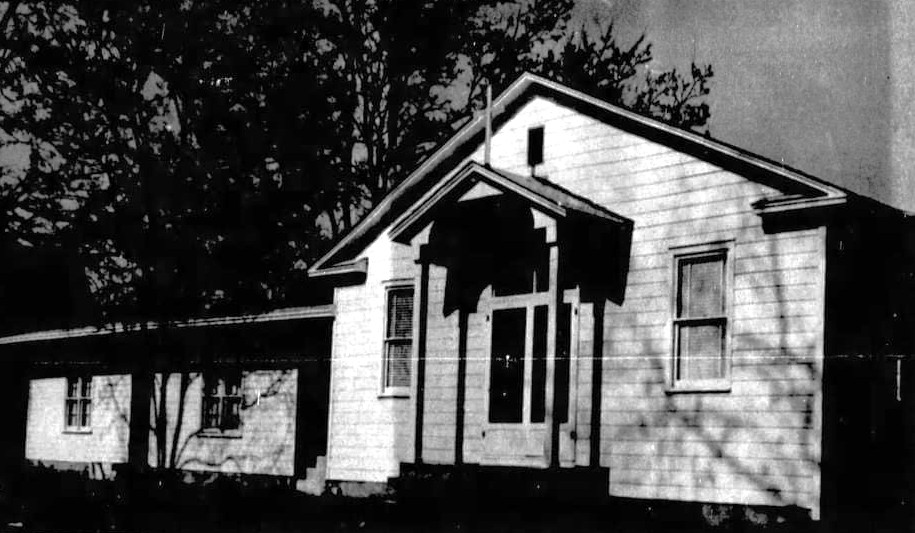
#tbt The “new” Cottonwood Point Methodist Church officially opened formally for worship in the early 1950s. It was built on the firm foundation of an older church built in 1894.
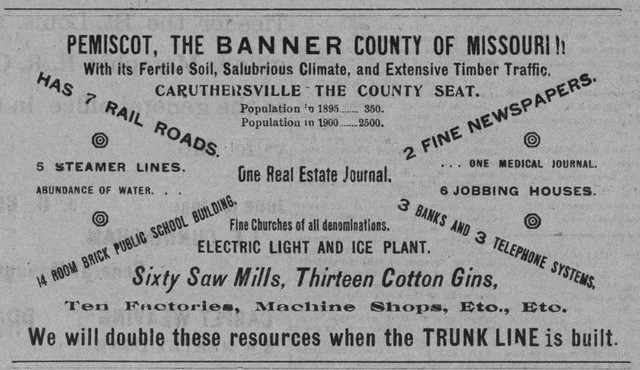
#tbt From June 20, 1901 – This describes all of the services and amenities that the county offered at the turn of the 20th century. It is interesting to note that Caruthersville grew from 350 in population to 2500 in five years. This was because so many moved from Gayoso into this city during that time, as that city, the former county seat, was being taken by the Mississippi River.
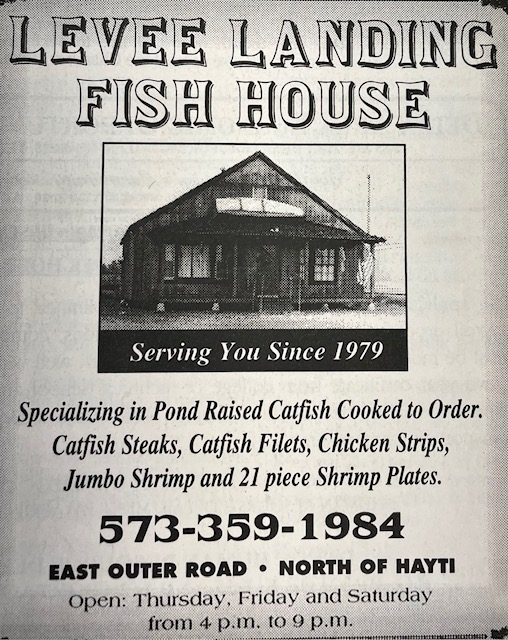
#tbt Who remembers Levee Landing, located north of Hayti beside the levee in the Concord area? For several years, this restaurant was the “go to” in this area for great food.
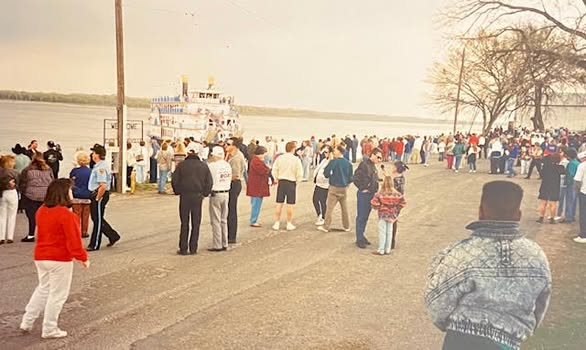
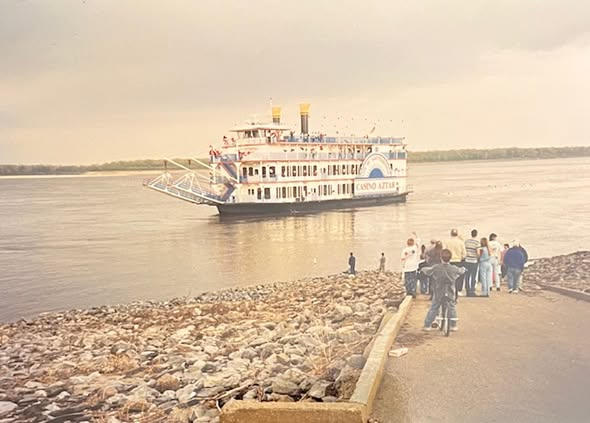
#tbt Thirty years ago, in spring of 1995, Casino Aztar sailed into town. Many people turned out at the riverfront to watch for the boat’s arrival. The casino’s jobs came at a fortuitous time for the city, as the Brown Shoe Company had closed in March of 1994, causing unemployment to rise for a time to near 20% with almost 400 jobs lost. The casino at that time brought just over 400 jobs, helping the city’s economy to recover. Casino Aztar became Lady Luck Casino and is now Century Casino, and Caruthersville boasts the first land-based casino in the state, after beginning as a riverboat casino, sailing a short distance up and down the Mississippi River for a few months.
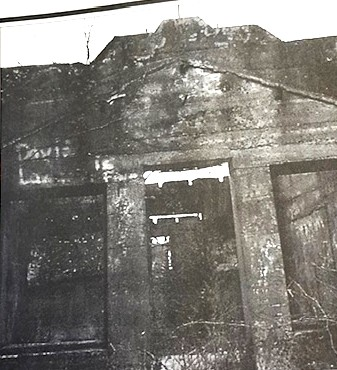
#tbt Shakerag was first mentioned in the Caruthersville newspaper in 1904, with a personal column called the “Shakerag Shakes”. It was jokingly referred to as “lower Braggadocio”, since it was located only about two miles south of that town.
Shakerag was a mocking name for the little community because its citizens were fond of “shaking the rag” or dancing. By 1951, the proper name for the place was Davis. The Shakerag community even housed a school in the early-to-middle parts of the 1900s.
This photo shows weeds growing up among concrete ruins in a building that locals said was once a dance hall in Shakerag on Highway Z, between Braggadocio and Steele. This picture is from the early 2000s, and these ruins still stand today.
#tbt This is an old handwritten map listing the names of Bootheel towns from years ago.
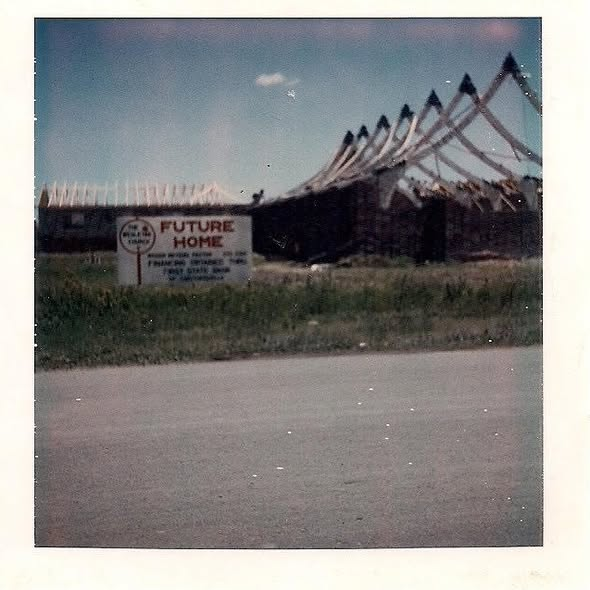
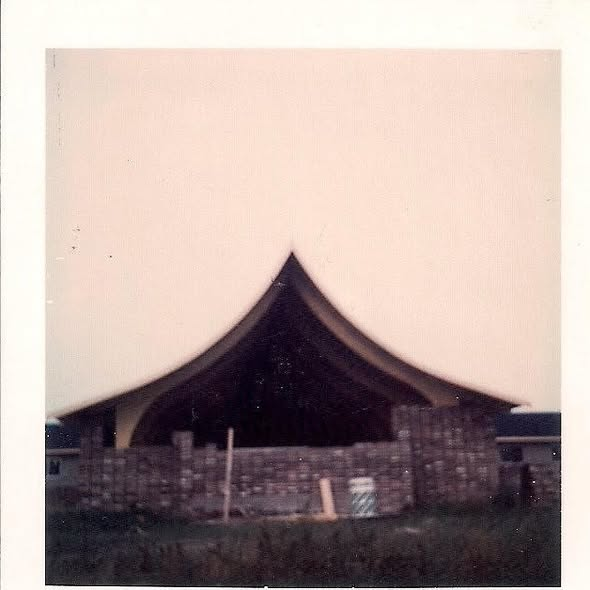
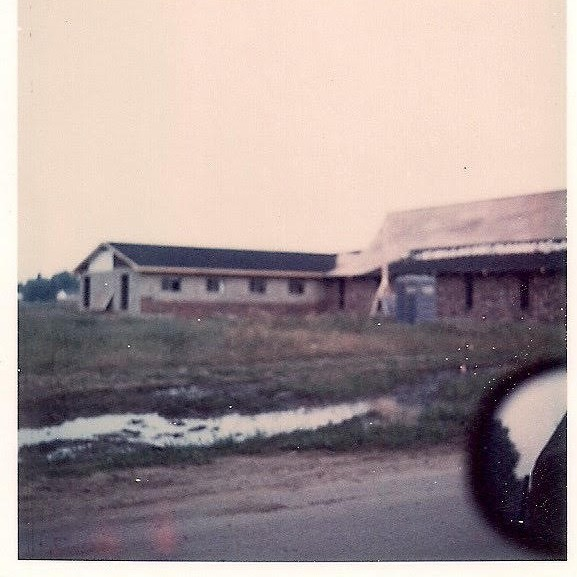
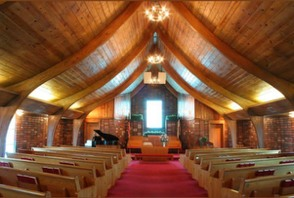
#tbt The Caruthersville Wesleyan Church was constructed in 1976 on Playground Road, under the leadership of Pastor Roger Meyers. Here are some pictures as the building was underway and a picture of one of the most beautiful sanctuaries in the city. Rev. Kenny Lee has been the pastor of the church for many years.
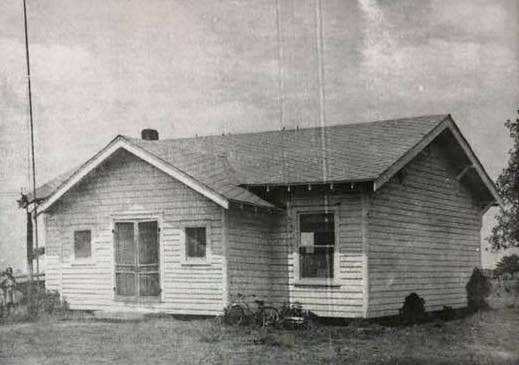
#tbt The Hunter School was a one-room schoolhouse located on the levee road about six miles south of Caruthersville. Mrs. Clarene Johnson was the teacher. The original building was moved from its site to a location on Cottonwood Road one mile south of R-3 School and became the home of Mrs. Blanche Wolf for many years.
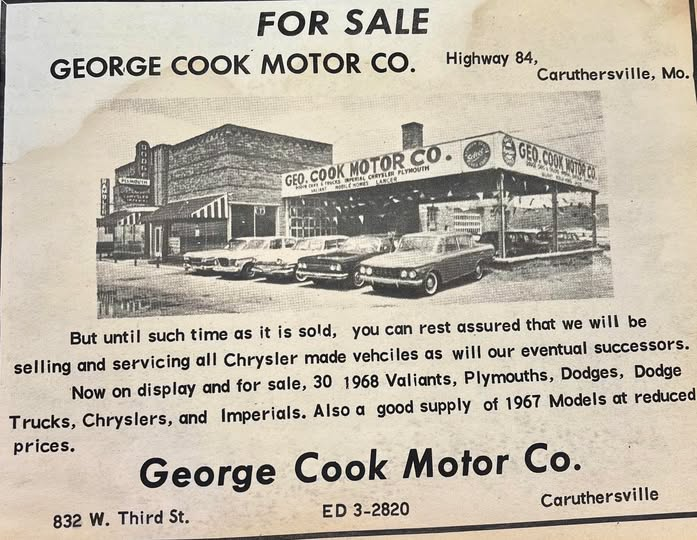
#tbt The George Cook Motor Company, selling Chrysler product automobiles, was located on West 3rd Street in the late 1960s (where Ben Baker’s NAPA Store is now).
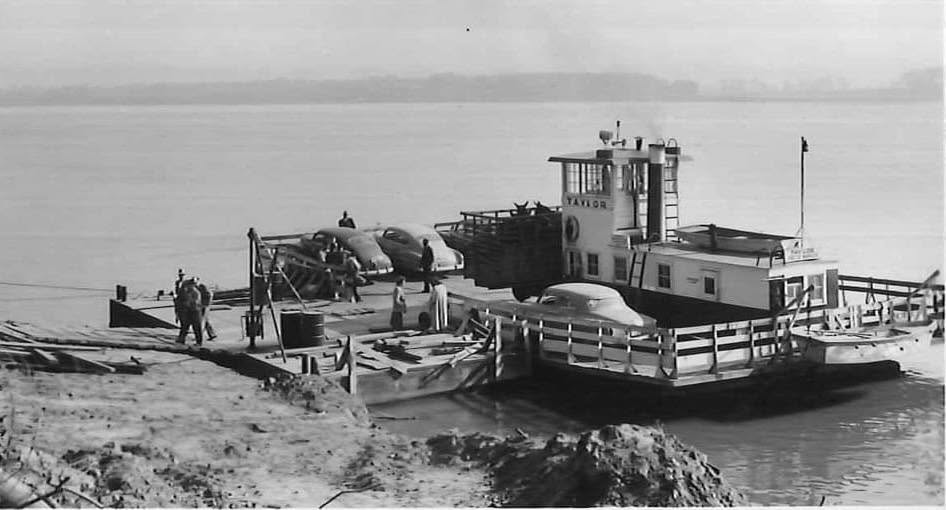
#tbt Two busy boats operated as the Cottonwood Ferry (some called it the “scary ferry”) connecting Missouri to Tennessee. It ceased operation on December 1, 1976 at 10 a.m. when the Mississippi River Bridge opened.
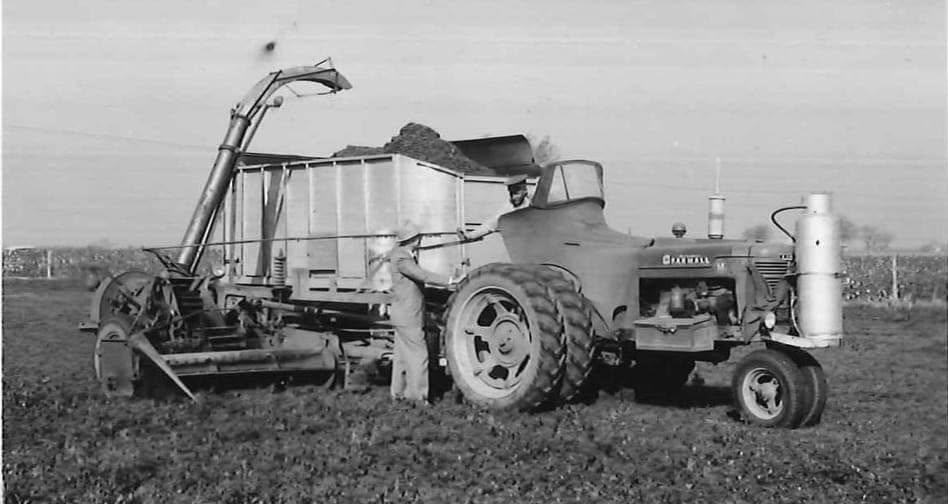
#tbt Alfalfa was a chief crop in Pemiscot County and here, from over 50 years ago, cutters and shredders pick up the alfalfa hay and haul it to the plant for drying and packing.
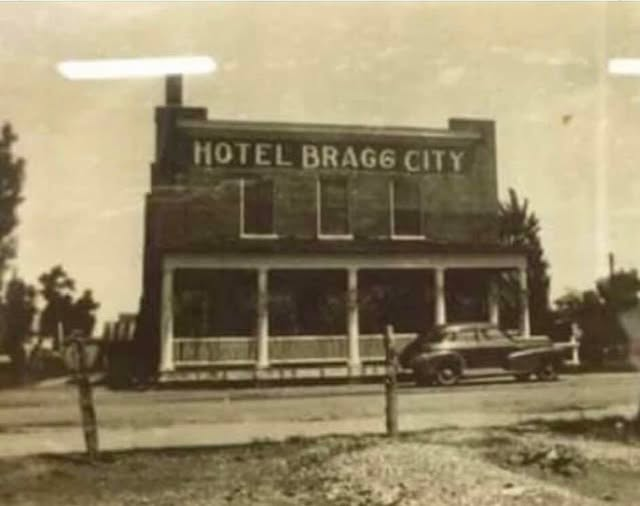
#tbt The Hotel Bragg City was only one of the hotels in this small town. First mention was in 1917 and it thrived until around 1925 when a legal notice in the newspaper advertised all of the fixtures and property to be sold. However, by 1935, it was again a running business, but in 1939 it had been sold to General American Farms as an office and hotel. A storm that year took the roof off the building and the rain penetrated all the way to the first floor with around two inches of water standing in the second floor rooms. The storm did about $10,000 of damage in the community of Bragg City. This was the last mention of the Bragg City Hotel.
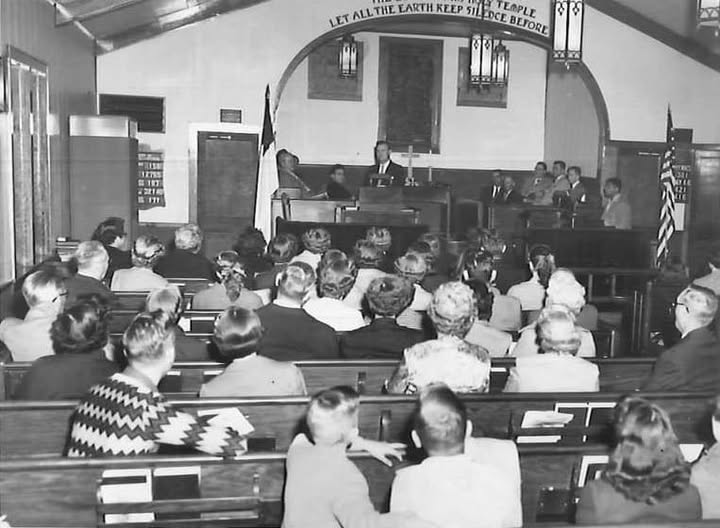
#tbt Rev. Marvin Niblack began his time in Pemiscot County as a teacher at Deering High School around 1937. Then, feeling a call to the ministry, his first church was at East Prairie Methodist. He returned to Steele Methodist Church, where he is shown here in the 1940s, and he also preached at Cooter, Holland and Oak Ridge. After a short stint at Shaw Avenue Church in St. Louis, he arrived at Eastwood United Methodist Church to succeed Rev. Floyd Brower upon his retirement. Niblack remained in Caruthersville until the 1970s.
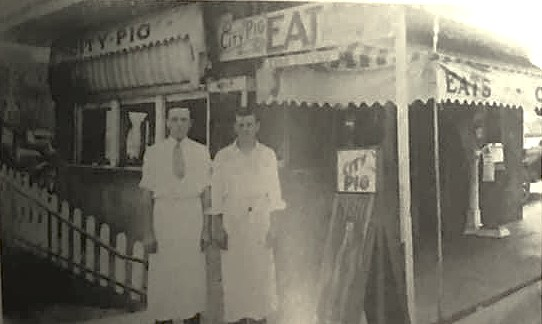
#tbt The popular City Pig restaurant was located on East 5th Street in Caruthersville, where Lux & Luv is now. Shown here in 1934, it looks quite different today. It was owned and operated for many years by Van Johnson and his family. Employees at that time on the left is Shorty Malone and on the right is John Hosler II.
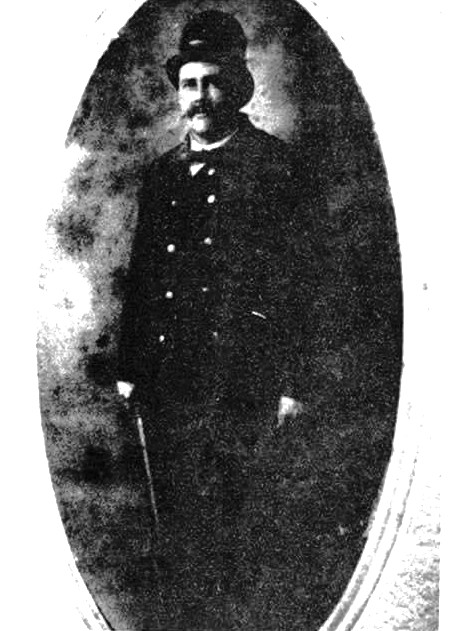
#tbt Calvin Kingsley Chism was Hayti’s first City Marshal, serving around 1906. He was the father of W.W. “Burley” Chism. The job at that time was strictly honorary and no pay was involved. Mr. I. Kohn, who was mayor at that time, thought the City Marshal needed a uniform so he had one made to order at his own expense., as well as furnishing a night stick, badge, and derby hat. Mr. Kohn was the grandfather of Richard Kohn and was one of Hayti’s most influential citizens in the early years.
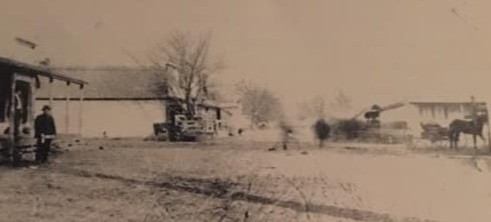
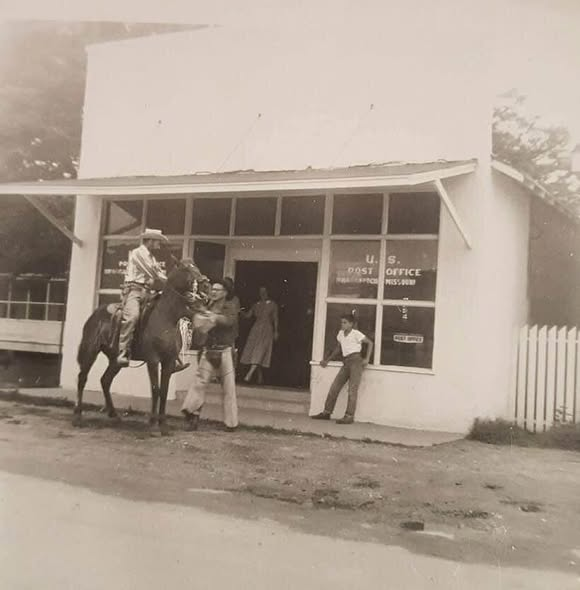
#tbt Calvin Kingsley Chism was Hayti’s first City Marshal, serving around 1906. He was the father of W.W. “Burley” Chism. The job at that time was strictly honorary and no pay was involved. Mr. I. Kohn, who was mayor at that time, thought the City Marshal needed a uniform so he had one made to order at his own expense., as well as furnishing a night stick, badge, and derby hat. Mr. Kohn was the grandfather of Richard Kohn and was one of Hayti’s most influential citizens in the early years.
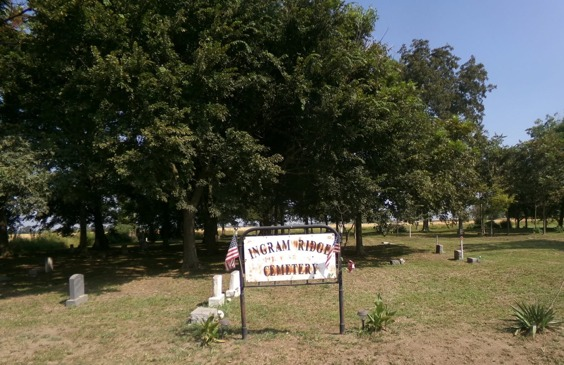
#tbt Ingram Ridge is located in the eastern part of the Pascola Township. The small community derives its name from G. A. Ingram, the original owner of the town site. It once had a church and a cemetery, shown here.
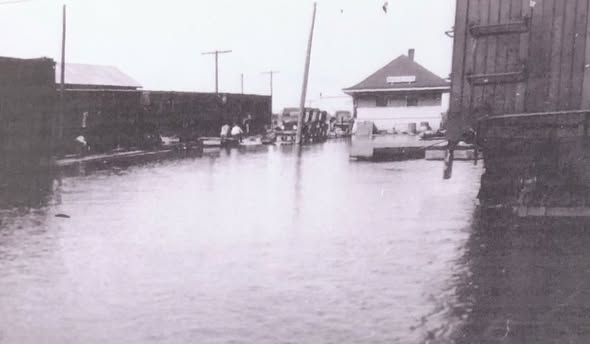
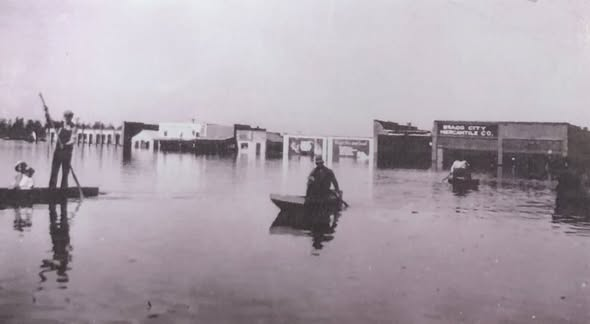
#tbt Bragg City has had at least two very devastating floods, caused by water overtopping the floodway ditches, sometimes called the “lateral ditches”.
These photos are from 1927 and the other happened in 1964 (There is a full page of pictures in the digital newspaper from that year – just search for “Bragg City Flood”)
One of these photos also shows the old Bragg City Mercantile, a store which was sold to L.E. Johnson in November of 1924. Another person with a similar name, possibly the same person, E. L. Johnson was both a cashier at the Bragg City bank and the manager of the Bragg City Mercantile in June of 1925. It was announced that E. Carter of Poplar Bluff became the bookkeeper of the store in September of 1925. In early 1926, the Bragg City Mercantile failed, and in May of that year, the Bank of Bragg City closed its doors. It was printed at that time that losing the one bank in town “has worked a considerable hardship on the people in that neighborhood”. The reason speculated at the time was “the difficulty usually experienced with slow loans, and it is entirely possible that there has been an era of over-expansion in that particular neighborhood during the last year of so”.
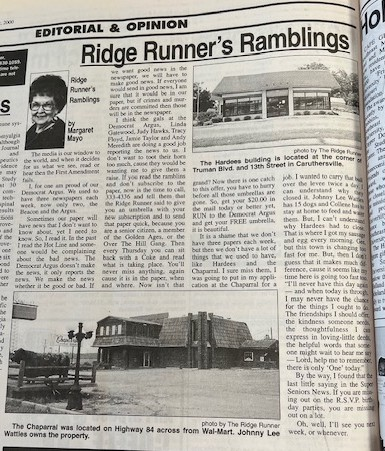
#tbt Margaret Mayo, the “Ridge Runner”, wrote about local happenings and events, as well as playing “Minnie Pearl” at the R-3 Party and other get-togethers each year. Here is one of the columns she wrote for the Democrat-Argus, from November 2, 2000, talking about the loss of two of Caruthersville’s landmarks at that time.
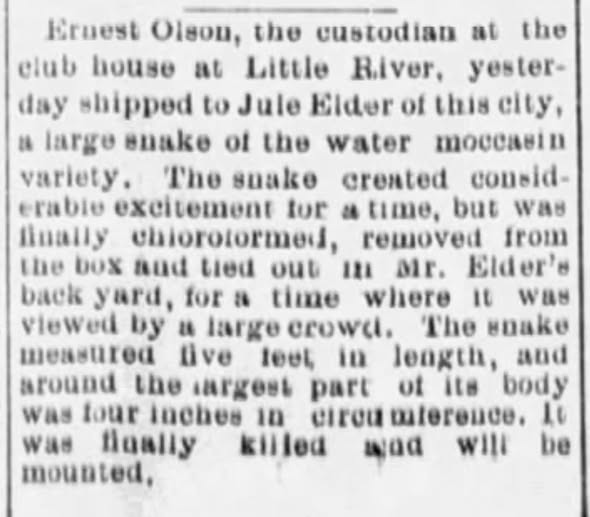
May 9, 1916.
A good time was had by all, except the snake!
Jule Elder was a Saloon man in Caruthersville, and Little River Clubhouse is near Wardell, for anyone not familiar.
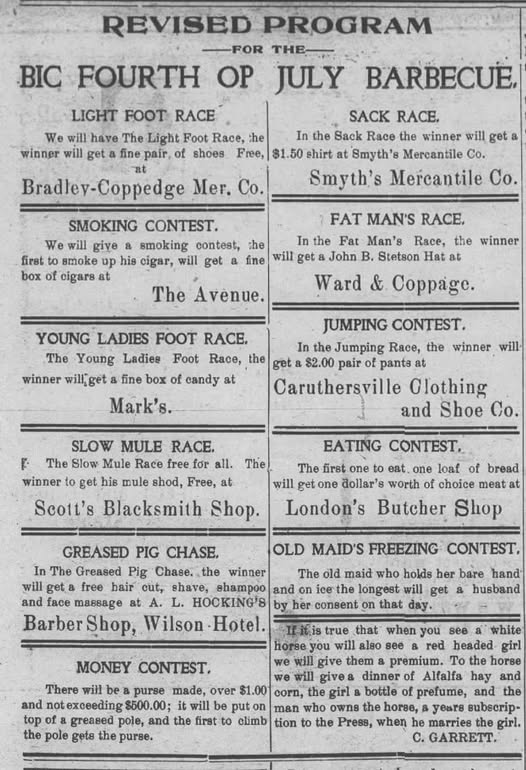
An interesting schedule was planned for the 1904 Independence Day barbecue. Which contest might you like to enter?
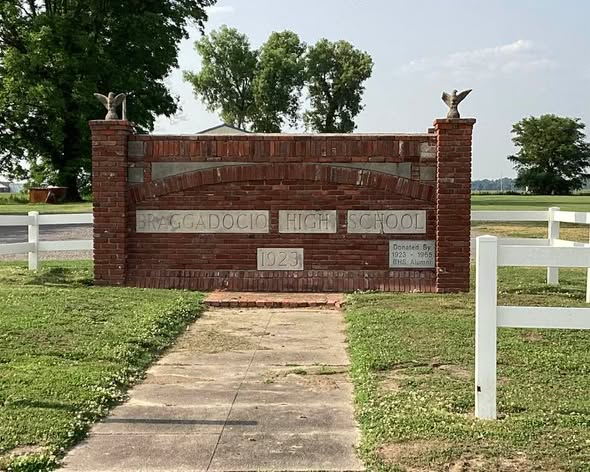
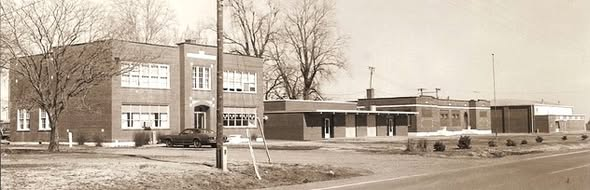
#tbt The entire Braggadocio School building is shown here. The district was consolidated with Deering in the late 1960s to form the Delta C-7 School District. The sign pictured is a memorial to the building and remains next to the Crossroads Worship Center campus.
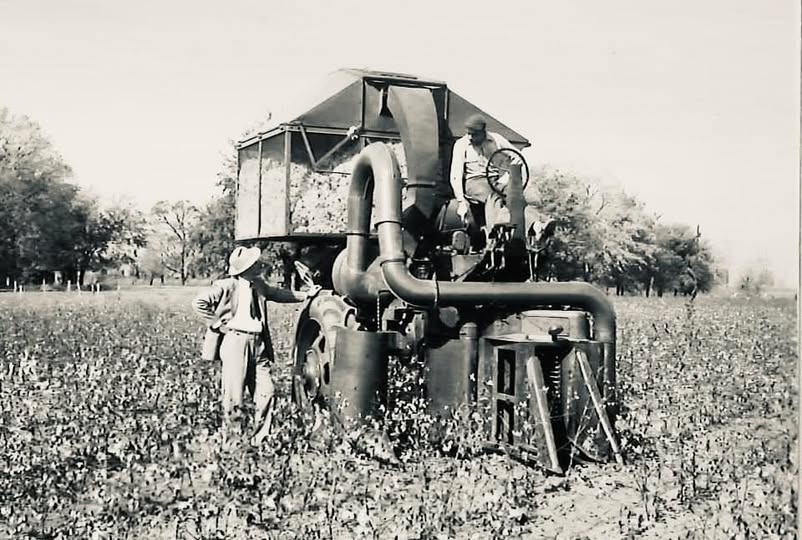
#tbt This is one of the first commercially successful self-propelled cotton pickers used in Pemiscot County. The inventor, John Rust, worked for decades to develop a machine that would end the back-breaking labor of picking cotton that he experienced in his youth. The machine reduced the labor required to pick cotton by 80%, contributing to the Great Migration from the rural south to northern cities in the 1950s.
International Harvester built a prototype in 1942 in the middle of WWII. Because of restrictions on steel, IH couldn’t begin producing its cotton picker combine in quantity until 1948.
Cotton pickers automate the process of harvesting cotton, which was traditionally done by hand. Modern cotton pickers use spindles or pneumatic systems to separate the cotton fibers from the plant without damaging the crop.
The most modern models offer features such as onboard baling systems, which help in reducing labor and transportation costs.
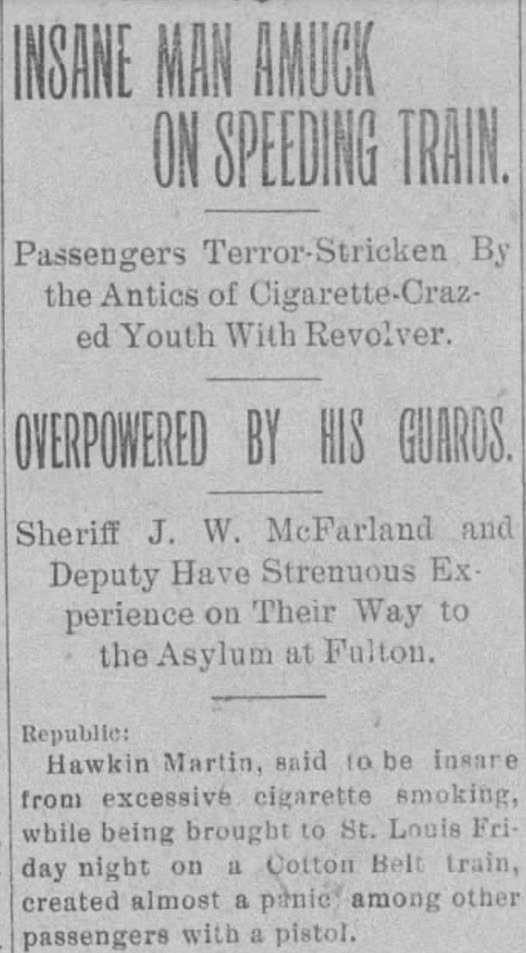
fellow train passenger while under control of napping sheriff, November 1902.
Story continued to completion in comments.
Daily cigarette intake mentioned in last frame.
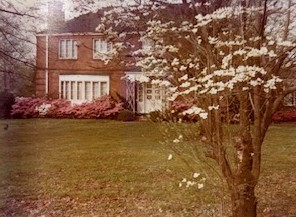
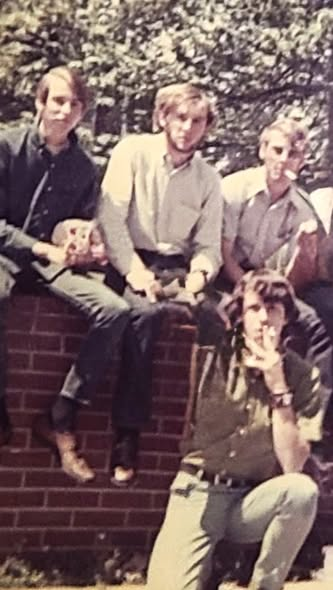
#tbt The beautiful Shade home was located next door to the high school until 2006, when the tornado slammed through that area of Caruthersville. It had a full brick wall completely around the property and for many years, young men sat on the wall at lunchtime and called themselves the “Wall Gang”. It became a rite of passage for guys to be accepted into this “elite” (often inappropriate) group.
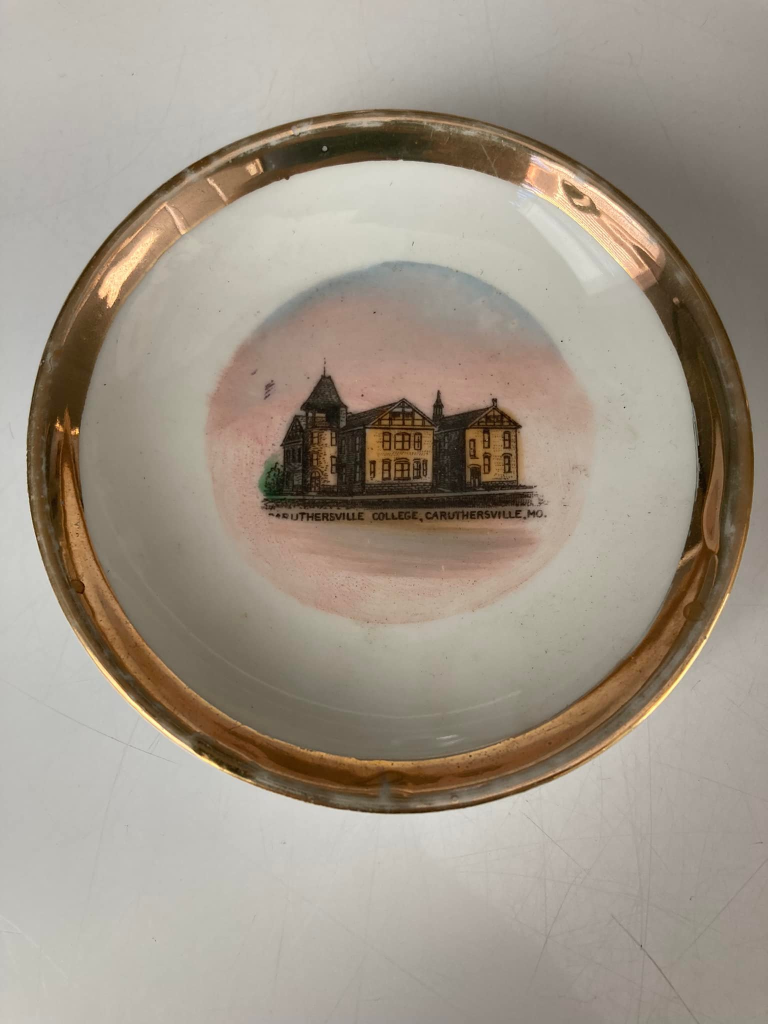
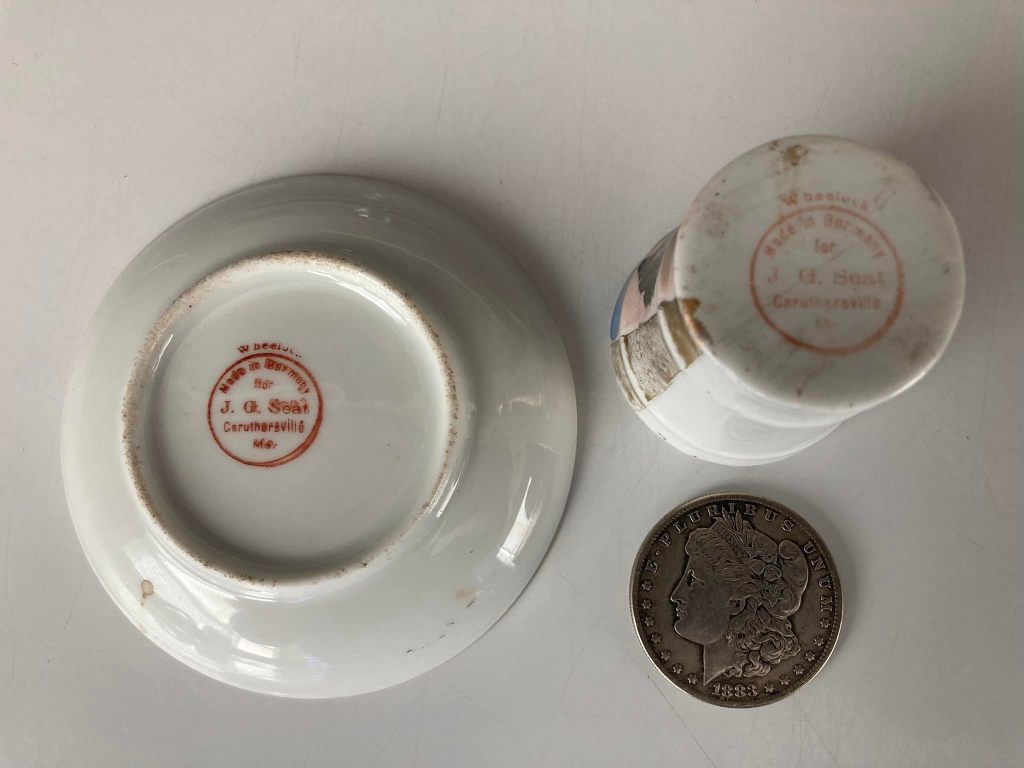
J.G. Seat, Caruthersville, Mo.
John Glenn Seat moved to Caruthersville in 1902 after selling the tinware business that he operated in Dyersburg, Tn. For some time after arriving in the area, he and his son operated a plumbing company that dissolved in 1904. He also was proprietor of a five and ten cent store that sold out to W.A. Hogan in 1906. Afterwards, he resumed his tinware business on James St., which is now 4th Street. It was located east of the Bank of Caruthersville, which is now Focus Bank. This business lasted several years until he left Pemiscot County for Fulton, Ky. in late 1911 or early 1912. He later moved to Duval County Florida, where he died in 1927.
These Wheelock China items, which were imported from Germany, are likely from the time he owned the five and ten cent store. Souvenir China was a craze in the early 1900’s, especially in a river town that saw as many visitors as Caruthersville.
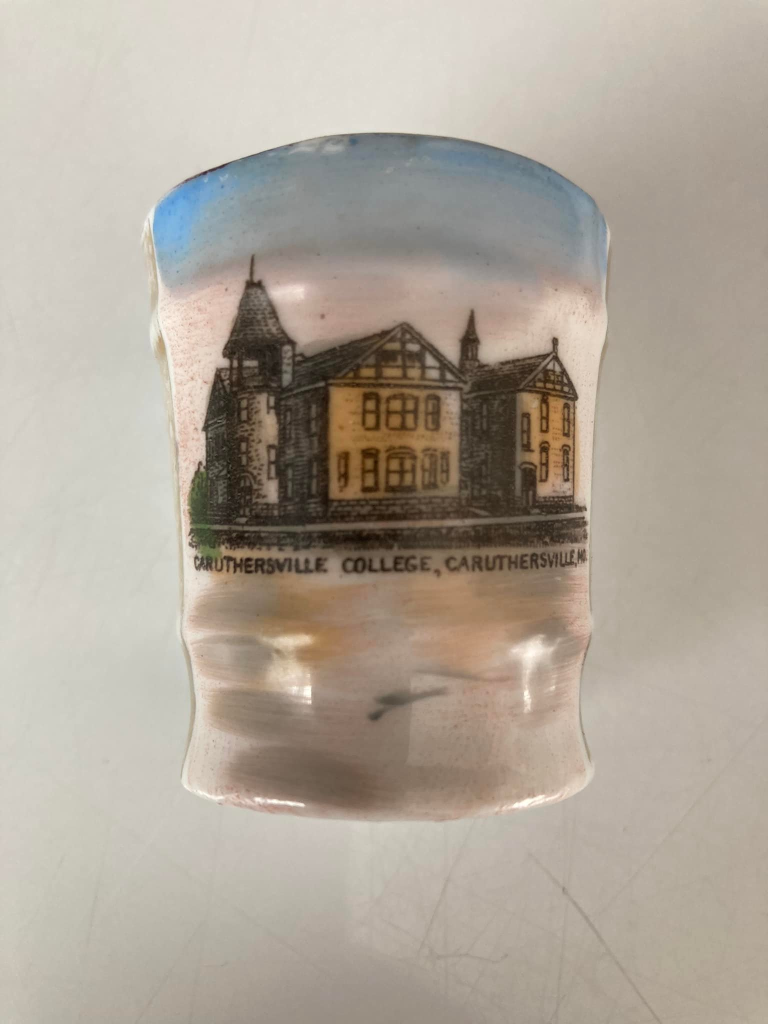
Small china cup without handle.
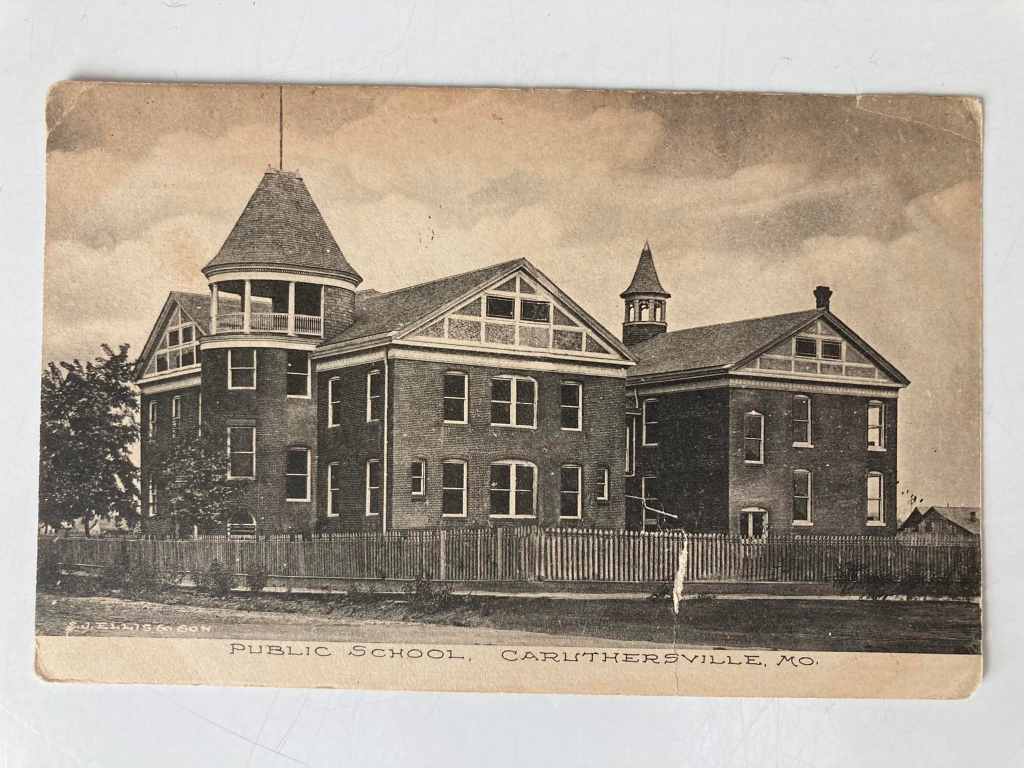
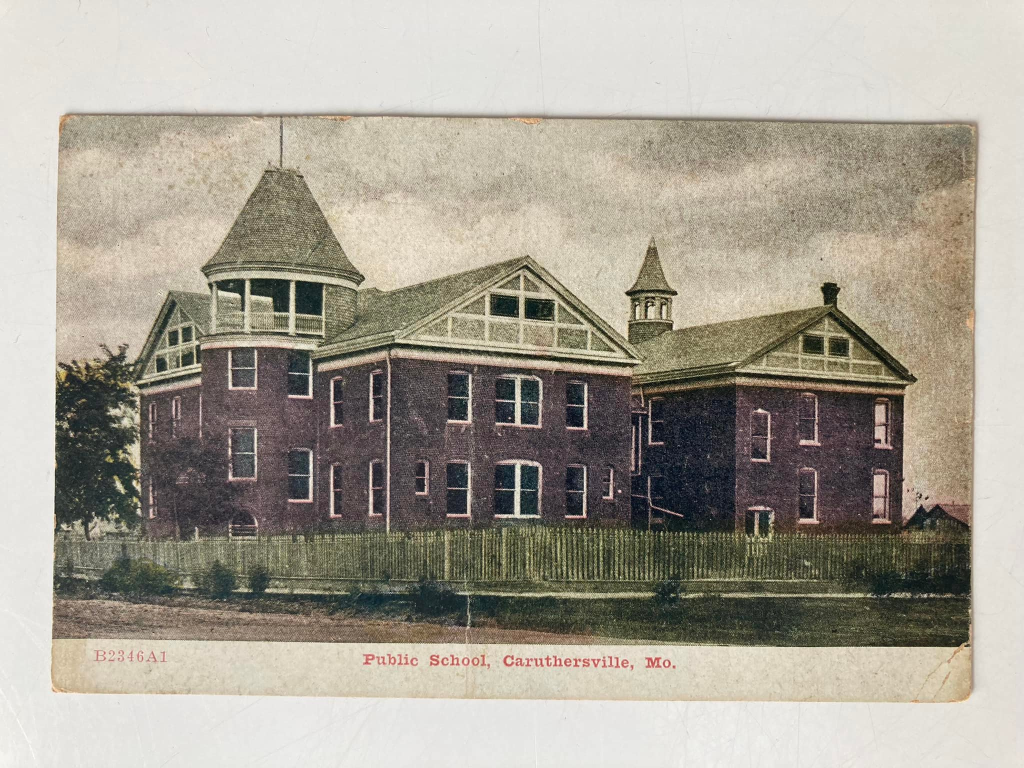
All of these postcards that were posted are postmarked in either 1909 or 1910, when the school was just starting its second decade.
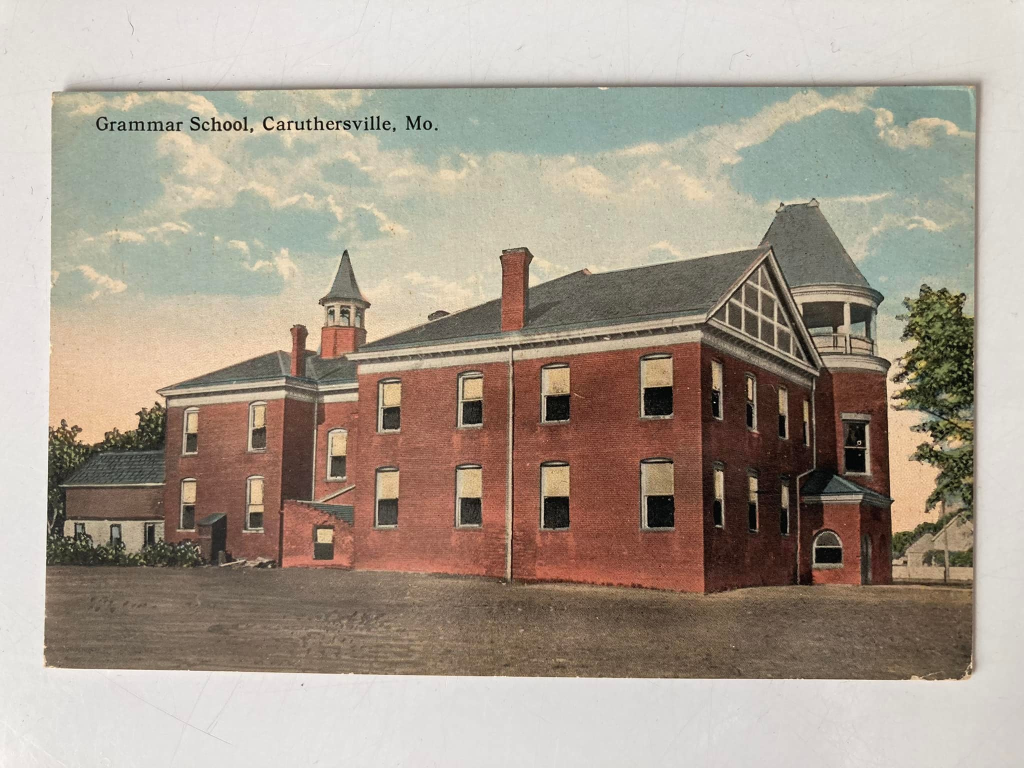
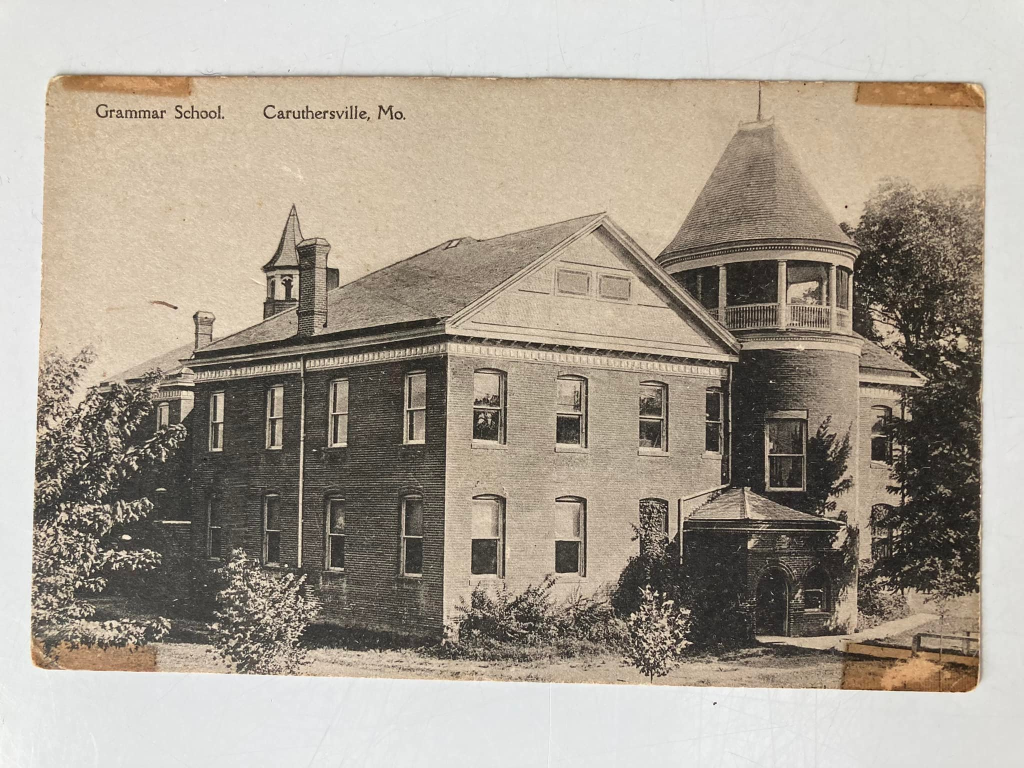
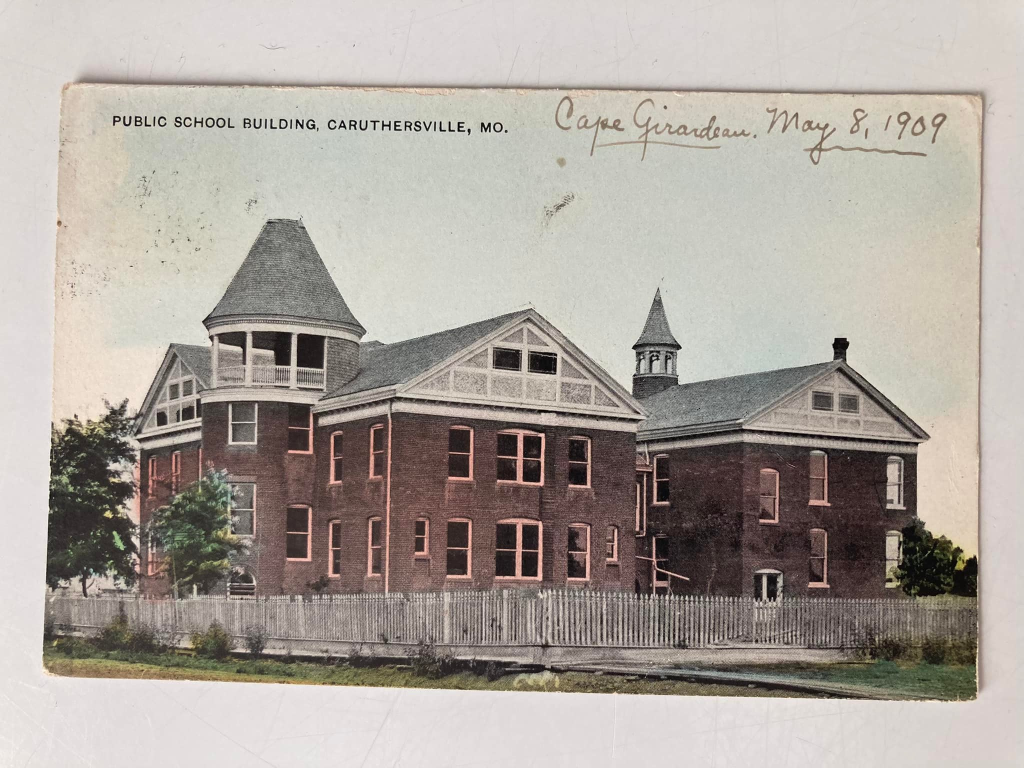
This two story brick school building was constructed in 1896 on the west side of Ward avenue, between 11th and 12th streets. It housed grades 1-12 and cost around $7000 to build. This was undoubtedly one of the finer and more well equipped schools in the area at the time. By the early 1910’s, enrollment had increased to the point that it necessitated the construction of a new high school building on the site of the present day high school.
This school remained in use throughout the teens and twenties, but by the early 1930’s had fallen in to disrepair.
It was razed in 1934, being replaced by the Lee Rood Annex. Much material was salvaged from this building and reused in the new school construction.
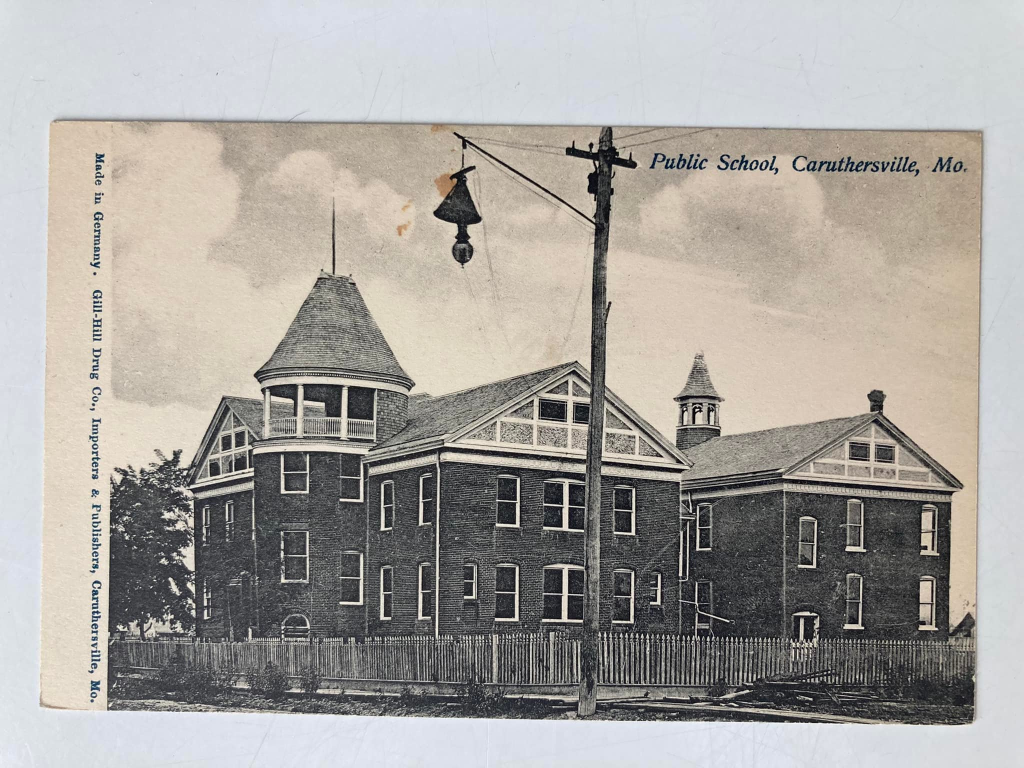
View showing electric wiring and street light.
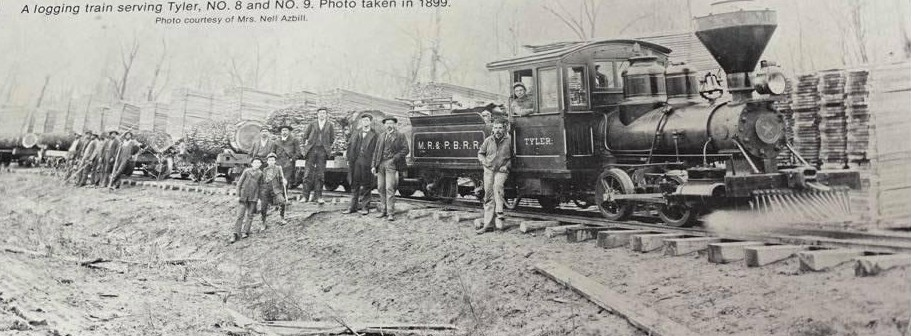
#tbt Logging was an important aspect of Pemiscot County in the early 20th century. This is a logging train serving Tyler, Number 8, and Number 9, according to the caption on the photo from 1899.
Passenger trains were also the fastest ground transportation at that time and robbers would often pile railroad ties on the track to wreck the train in order to climb aboard and commit crimes. The engineers had to be very watchful to avoid a crash. On September 19, 1905, one of these wrecks was narrowly avoided and it was said that “the law provides a severe penalty for a crime of this nature and the perpetrators should receive the full benefit of it”.
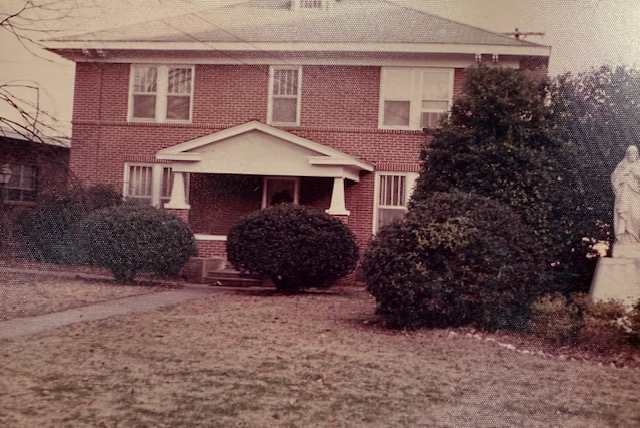
#tbt The old Sacred Heart Rectory, where decades of priests resided, stood next to the Catholic church in the 600 block of Ward Avenue for many years. The home was built in 1925 and in August of 2004, the rectory became uninhabitable because of mold from broken pipes and past leaks. Priests at that time were housed in a rental home on Carleton. The years of 2007 and 2008 were filled with the razing of this two-story home and leveling the ground so that a new one-story rectory and parish meeting room/office could be constructed. (Mrs. Agnes Johnson left a sizeable designated donation to the parish primarily for building the new rectory.)
The new rectory opened in December of 2008 and displays one of the original stained-glass windows from the church on the front.
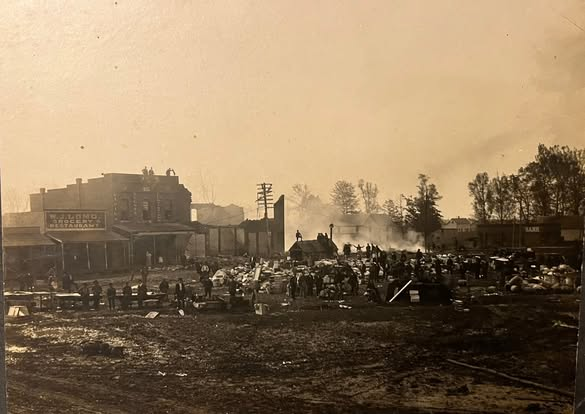
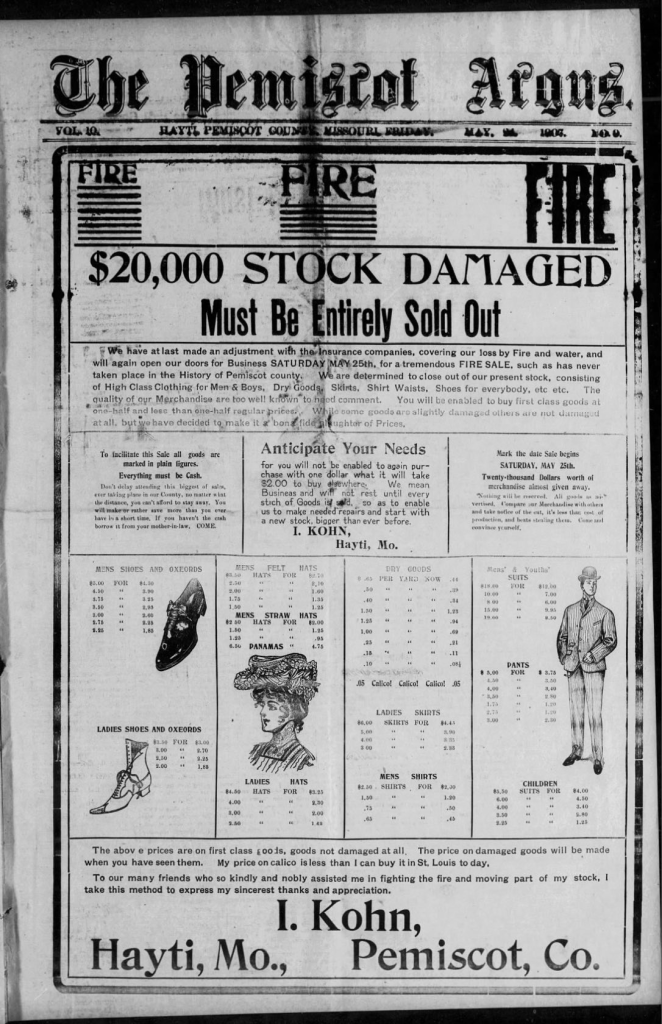
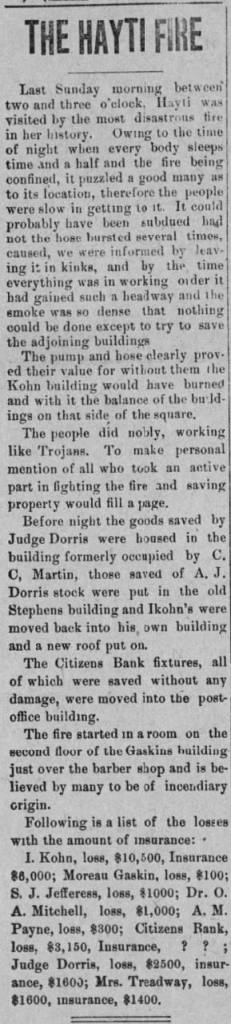
Recently donated to our archives by Mr. John Karnes, a previously unknown photograph showing the aftermath of a devastating fire which struck the east side of the Hayti square in early May, 1907. This view is looking southeast from the north side of the square and shows the complete destruction from the middle of the east side of the square, to the southern corner. Destroyed in the fire were a two-story brick known as the Gaskins Building, which was occupied at the time by the Citizens Bank, a pool room, the telephone exchange, and Jeffries Law Office. Further south were two, two-story wood framed buildings which held Tim Dorris’ grocery and Andrew Dorris’ general store, respectively. Buildings shown in the photo are the W.J. Long Grocery and Restaurant, but perhaps more recognizable would be the Israel Kohn building in the center of the block, a building which still stands today and is currently occupied by Forget Me Not Flowers and Gifts. Shortly after the debris from the fire was removed, Mr. Kohn built a nearly identical building to the south adjoining the one shown, which doubled the size of his store. He had previously purchased the property in late 1906 from Brack Gaskins. Of note as well in the main photo are the large amount of stock and showcases saved from the fire by being moved in to the street, and men on the roof of the Kohn building surveying fire/water damage and preparing for immediate repair. Additional photos provided show a detailed description of the fire and events following from later May 1907 newspapers.
Pemiscot County Historical Society is always accepting donations of local photographs to research, preserve, and share with others in the future. It is of the utmost importance to save these historical records for future generations!
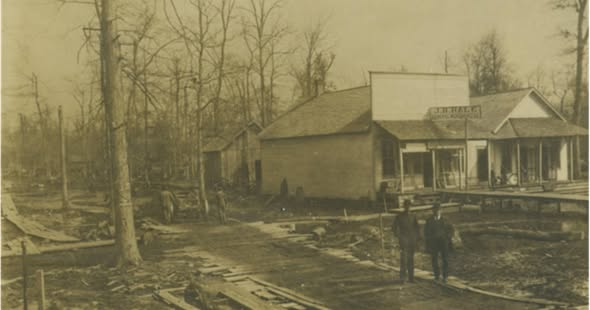
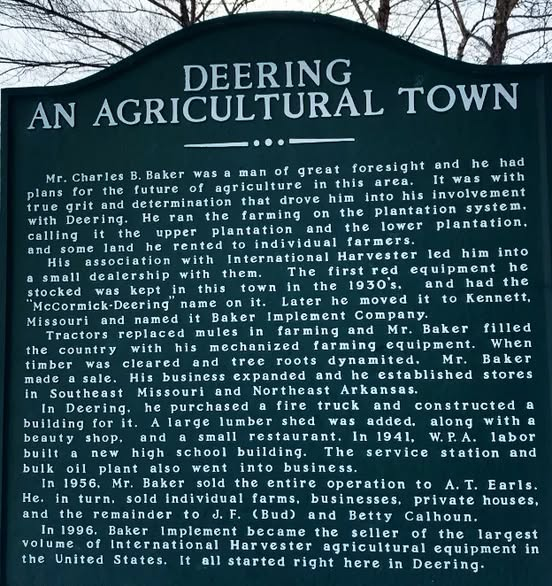
#tbt A recent exhibit donated to the State Historical Society of Missouri’s Cape Girardeau Research Center at Kent Library at SEMO University depicts a number of pictures of Deering around the turn of the century.
In the late 1800’s and the early 1900’s the bootheel was all large trees, most not native to the bootheel because of seeds from the north washed in from thousands of years of Mississippi River flooding.
William Deering of the McCormick-Deering fame needed lumber for the machines he was building in Chicago, so starting in 1898 he bought and leased some 60,000 acres of forest land in Deering. In 1902, Deering was part of a merger and became part of International Harvester. The company finished draining what land they needed to work. When moving in the heavy equipment to build the sawmill and town they got stuck in the gumbo mud and built the town where they stopped. They wanted to go a few more miles west but that didn’t happen.
The new town was called Deering Sawmill until the post office was built and it was changed to just Deering. The new business was called Wisconsin Lumber Company because the holdings were in Wisconsin. One of the first orders of business was to build a railroad to haul the logs to the mi, which was completed in 1903, using animal power and was called the D&SW (Deering & Southwestern). The workers had their own name for the railroad calling it the “Darn Slow Wiggling Railroad”.
By 1911 the track was finished to the Mississippi River some 12.4 miles. By this time they were using steam engines to haul lumber to the river and they also had passenger service. Before the mill went idle in 1928, International Harvester had built and owned 27 miles of railroad track. In 1922, the Cincinnati Car Company built a 39 foot, 6 inch long gasoline passenger railcar with an International Harvester engine, seating 40 people and named “Car 82”. This was used to haul passengers between Deering and the Mississippi River.
All buildings in town had electric lights by 1910 run by a generator at the mill. There was running water to the houses in the 1920’s and the houses were fenced in so they could have a cow or chickens in their yard. In 1916, a worker made $3.00 a day and the company doctor cost $1.50 a month. If you had a baby it cost an extra $10.00, a onetime charge. The houses were rented from the company and, since the company had plenty of lumber, the sidewalks were made of planks of wood. The hotel was mainly built so that company officials from Chicago had a place to stay. There was also a bowling alley, motion pictures, and dances in the amusement hall. Instead of money they used a type of Script and it was called Doodlum. In the early years, work hours were from 6am to 6pm. In 1935, International Harvester sold the town, mill, and 2600 acres of cleared ground for $110,000.
(Information from “Harvester Highlights”)
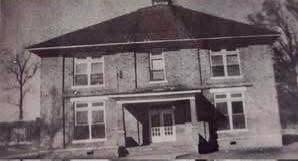
#tbt This building served as the cafeteria at Steele High School in 1912. It originally housed the entire school.
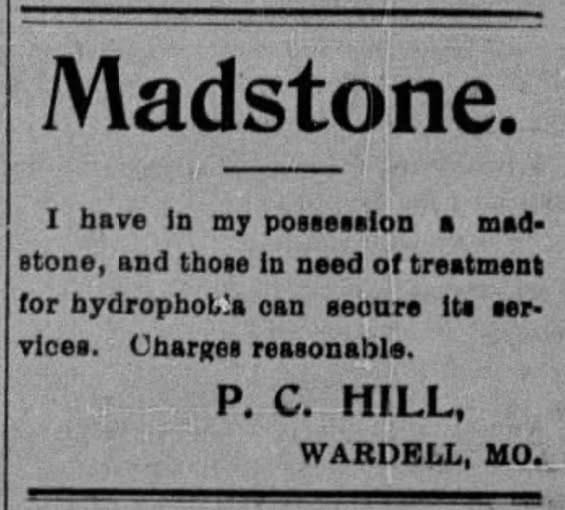
Friday, August 5th, 1904 Democrat-Argus
Without looking it up, who knows what a Madstone was?
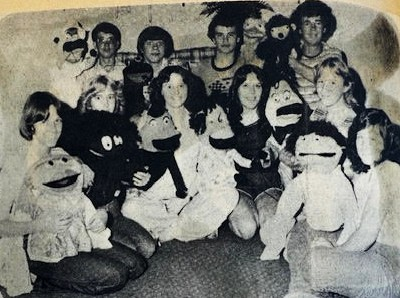
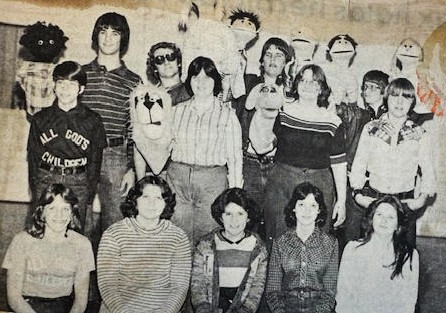
#tbt Church Bible schools in July of 1978 both hosted puppet shows for the attendees.
The top photo shows children from the Kinfolks Ridge Baptist Church and their puppets. Shown here are (front row, left to right): Kelly Donovan, Terry McNabb, Carol Rogers, Susan Randall, Regina Branham and Jeanine Walton. Back row (from left to right): Ricky Riley, David Donovan, Tony Lackey, and David Craig.
The bottom photo shows the young people from the First Baptist Church after their presentation of “All God’s Children”. Shown here (from left to right): Julie Boyd, Jeanie Ferrell, Pam Proctor, Alicia Pattillo, and Janis King. Second row (from left to right): Reid Bruton, Christy Ferrell, Roblyn McTernan, and Kenny Cecil. Back row (from left to right): David Cooke, Pate Cagle, Doug Boyd, and Scott Brewer. Not pictured were Beth Singleton, Angie Pate, and Ann Bullington.
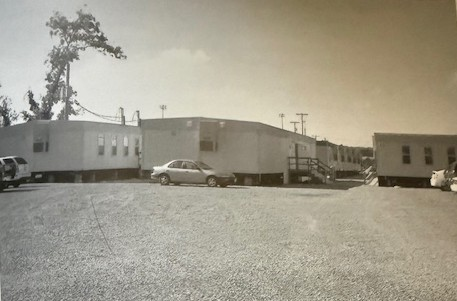
#tbt “FEMA High”, as it was referred to, was the campus that housed students after the 2006 tornado in Caruthersville. Rain brought lots of mud puddles and terms like the “10-pod” where a majority of the classrooms were located became familiar. This campus had a cafeteria, library, a nurse’s office, and all other classrooms needed. Students remained here until February of 2011, when the new Caruthersville High School was complete. Do you have any special memories of “FEMA High”?
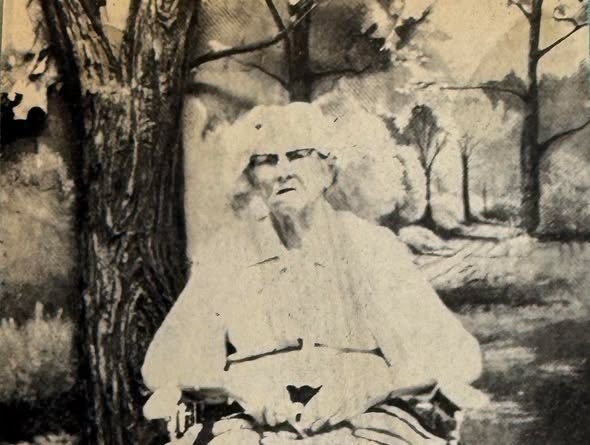
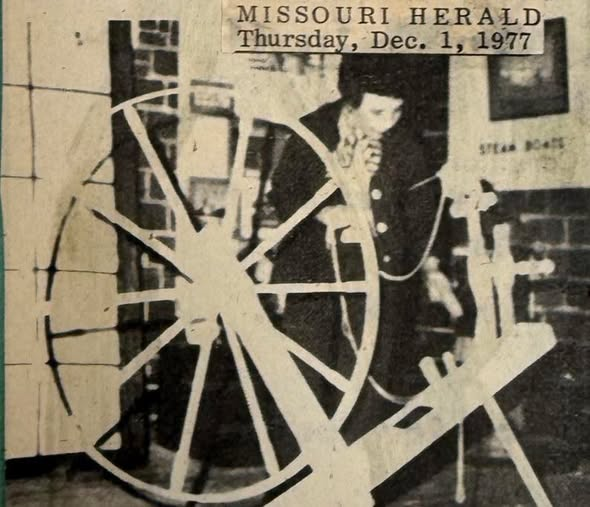
#tbt Mrs. Etta Garrett donated her very old and much beloved spinning wheel to the Riverview Museum in Caruthersville in 1977. Mrs. Katherine Hill, Museum chairman, examined the spinning wheel in the museum.
The Riverview Museum was located on the riverfront and later in the historic train depot on West Third Street and housed many historic, valuable and sentimental items belonging to area families.
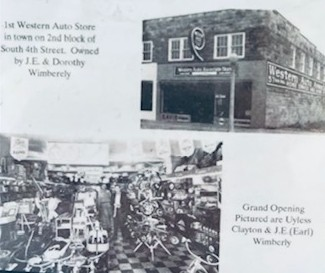
#tbt Hayti Western Auto opened on South 4th Street, in what was referred to as the “new Shirey building”, in September of 1946. J. E. “Earle” Wimberly, the owner and manager for many years, was presented with several awards and trips from the Western Auto Corporation for leading in tire sales. He once won a trip to Costa Rica for him and his wife.
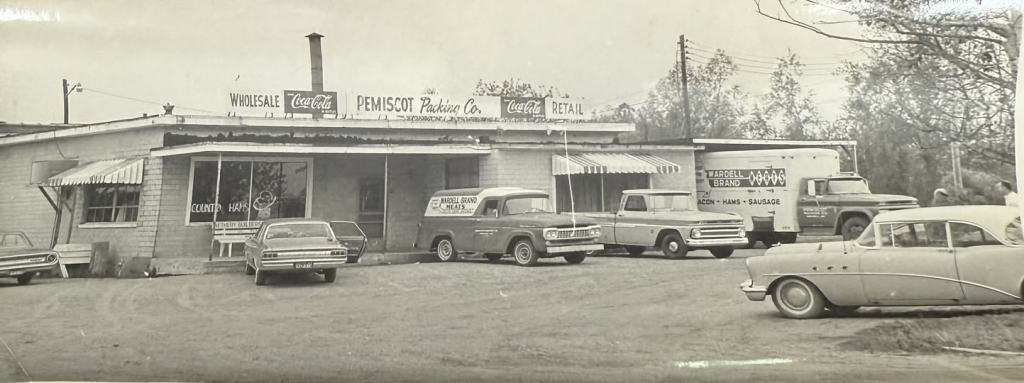
#tbt Pemiscot Packing Company was established in the spring of 1945 on the west side of Wardell. In August of 1955, it moved into the location pictured here, which was built by the owners.
With the facilities to process 100 hogs and 25 cattle daily, the plant sold wholesale to vendors in Pemiscot, Dunklin, and New Madrid counties. They sold retail to customers inside the plant, and three refrigerated trucks were also used to make deliveries. Behind the building, the location had feeding and storage pens, a slaughterhouse, and a private purifying lagoon. Gross business in 1965 was half a million dollars.
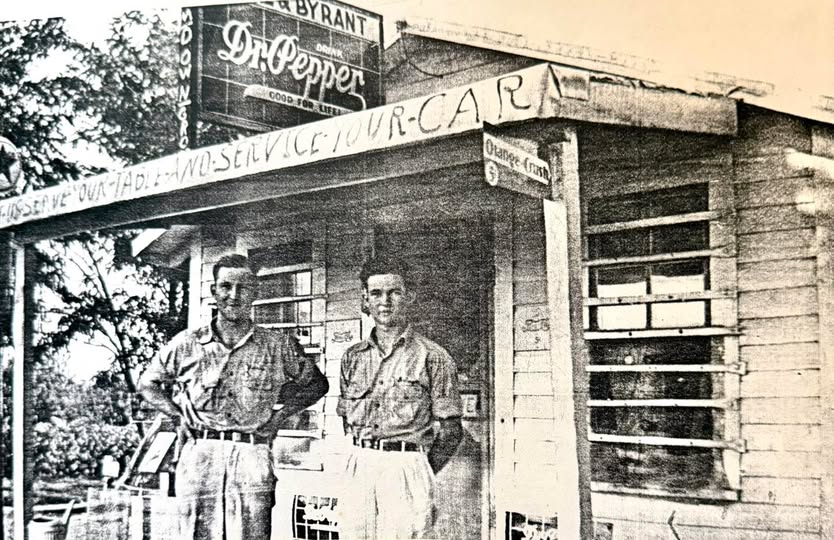
#tbt Charlie Payne and Berbage Bryant stand proudly in front of their store in 1937. The building was approximately 12’ x 24’ and was rented from John and Virginia Bader. The store was located in front of their home approximately 1/4 mile south of the old McCarty two-room school house.
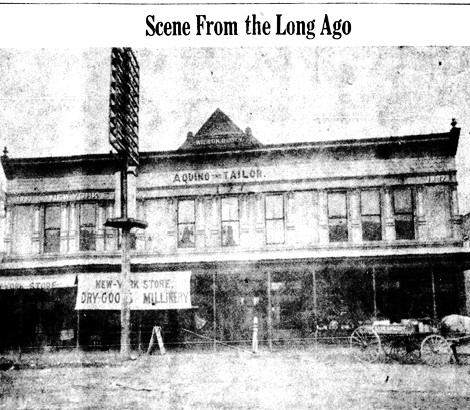
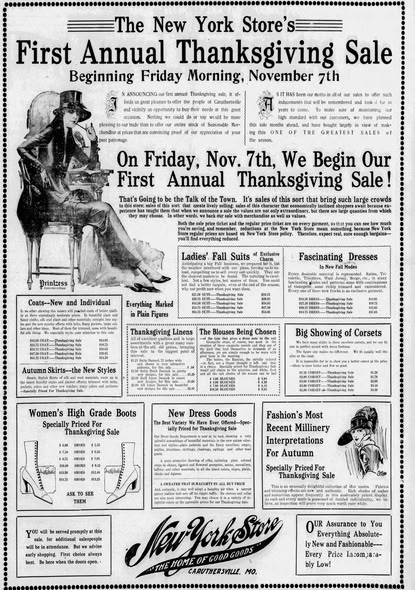
#tbt The New York Store opened in about 1897 in downtown Caruthersville. It was located in the Wilson Block, the 300 block of Ward Avenue, and built by Joe B. Wilson, who also built the Majestic Hotel. It stood there until 1909 when it burned and the new Mason Building (the former Ben Franklin, recently razed) took its place.
The New York Store held their first ever Thanksgiving sale in 1919 and it is interesting to see the vast array (and prices!) of items that were contained in the store.
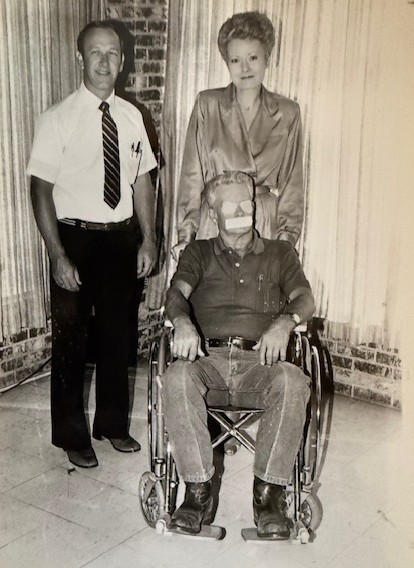
#tbt Delbert Thompson of Arkansas Power and Light Company was used as a living visual aid of a handicapped person in a presentation. This took place at the beginning of the school year in the mid-1980s to instruct utility employees by Russell Gilmore (left), Pemiscot County Special School District Superintendent. Also shown is Susan Sturm of A.P.&L. Employees often provided volunteer work with Special School District programs.
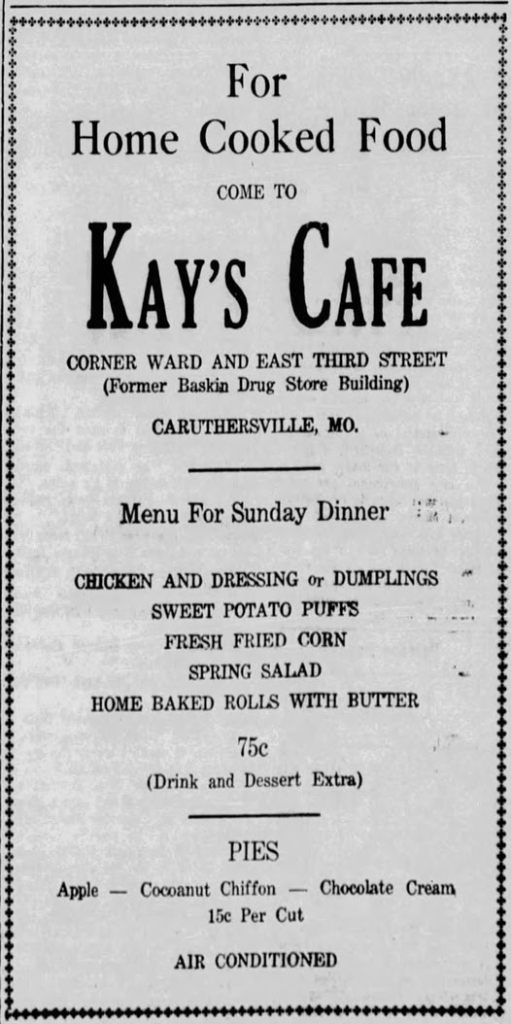
#tbt Kay’s Cafe was a very short-lived cafe in downtown Caruthersville. Located at East 3rd Street and Ward, in the Gossom Building, it took over the location when Baskin Drug Store moved south to 1111 Ward to become Baskin Super-Drug. From this ad in the September 9, 1954 Caruthersville Journal, it sounds like Kay’s Cafe food was very good, but the restaurant didn’t even last until the end of 1954 for some unknown reason.
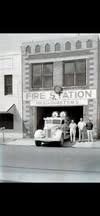
Looking at this picture reminded me of when I worked at Dale’s Auto Parts (formerly known as Dillman’s Auto Parts for years). I actually rebuilt engines in the old fire station along with working the parts counter. At the back of the fire station I actually found an old huge siren. Not knowing if it would work I actually wired it up, plugged it in and it man, did it work! It was so loud it scared me so unplugged it and it took forever to finally wind down. I looked out the door and people were driving by, trying to figure out why that loud siren was going off and where it was coming from. I have no idea whatever happened to the siren after the business shut down later but wish I had kept it. (Tom Tidwell)
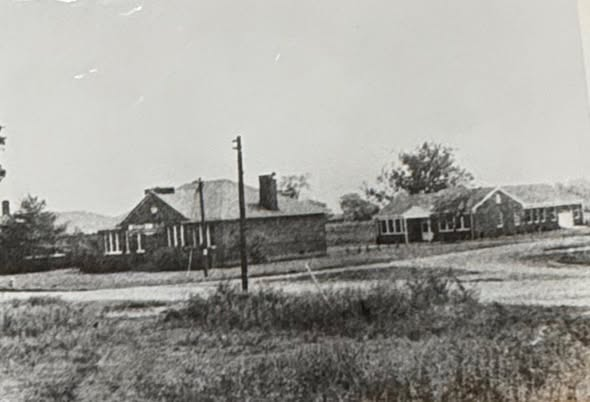
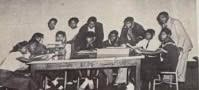
#tbt Washington High School in Caruthersville is shown here in the early 1950s, before the gymnasium and grade school building were opened in 1957. You can see the old building on the far left in this photo. It completely burned in 1975.
The Washingtonian yearbook staff of 1955 works on pages for the publication, under the sponsorship of Mrs. Edna Burgess. Erlene White was the editor. Other members of the staff were: Audry Jean Bush, Dorothy Lee Epling, John L. Johnson, Robert McClellan, Leola Lasley, Lee Owens, Joe L. Mathes, and Edna J. Burns.
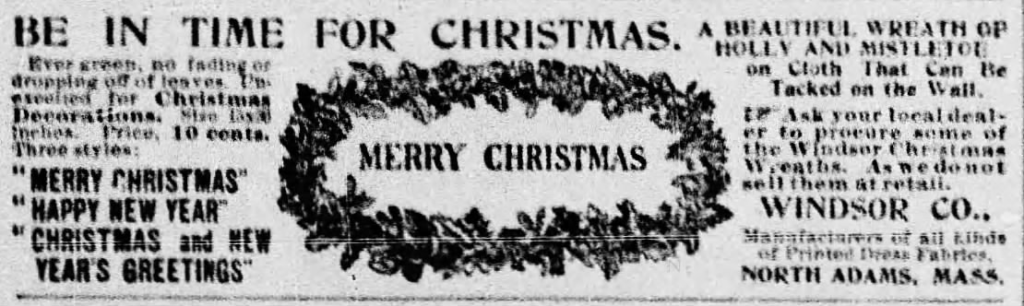
#tbt From 130 years ago, this ad was in the Democrat-Argus newspaper from January 11, 1895, with a leftover sale on the perfect Christmas wreath – “Ever green, no fading or dropping off of leaves” Can be tacked on the wall. Amazing to think about how different Christmas was in the olden days.