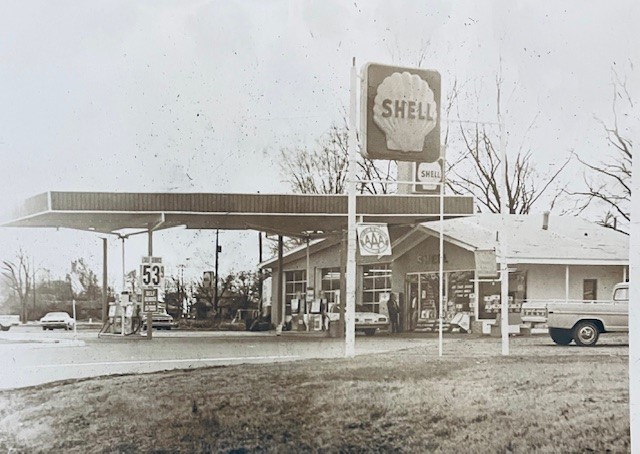
#tbt On Labor Day in 1968, Cecil Kerley opened his new Shell station at the intersection of what was then Fair Boulevard and Highway U. Later, the station was purchased and run for many years by Joe Braswell, who even added a car wash on the property. It closed in the late 1990s or early 2000s, and it had been closed for awhile when the 2006 tornado passed directly through that area of town, doing catastrophic damage to the building and property. After a year or so, the building and car wash were razed and the property sat vacant for a number of years. Now it is home to what was called The Store, and now called White Oak Station.
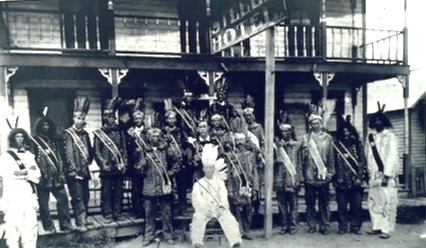
#tbt From the book “Pemiscot County: a Pictorial History” comes this photo of the “Braggadocio Redmen” in front of the Steele Hotel, about 1907 or 1908. At left is Arch Huckaba from Braggadocio, in the white suit; second row (behind the seated chief) at left is Theo Klinkhardt of Hayti; in the back row, left side of the porch post is Herb Gallaher. Directly in front of Herb is Amos Gallaher of Braggadocio. All other men, unfortunately are unknown, as is the purpose of the Braggadocio Redmen group. Nothing was published in the newspapers of that time, which leads to the thought that this was a secret society of that historical period.
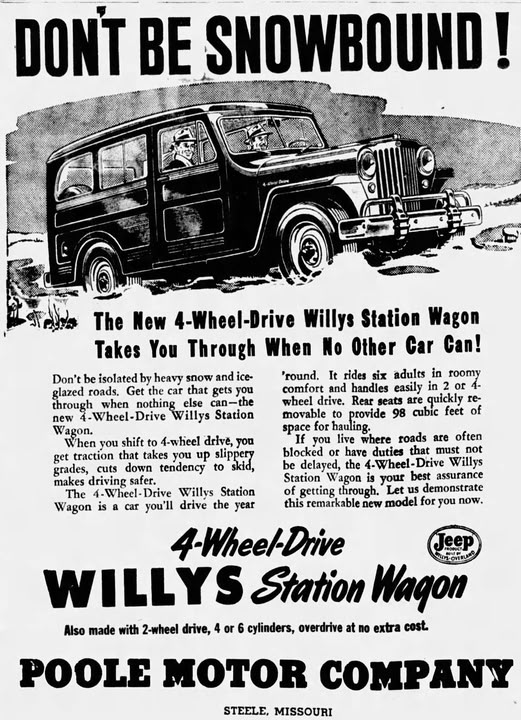
#tbt We might have been able to use a few Willys Station Wagons around here this week. From January of 1950, this ad for Poole Motor Company in Steele describes this unusual car made at that time by the Jeep Motor Company.
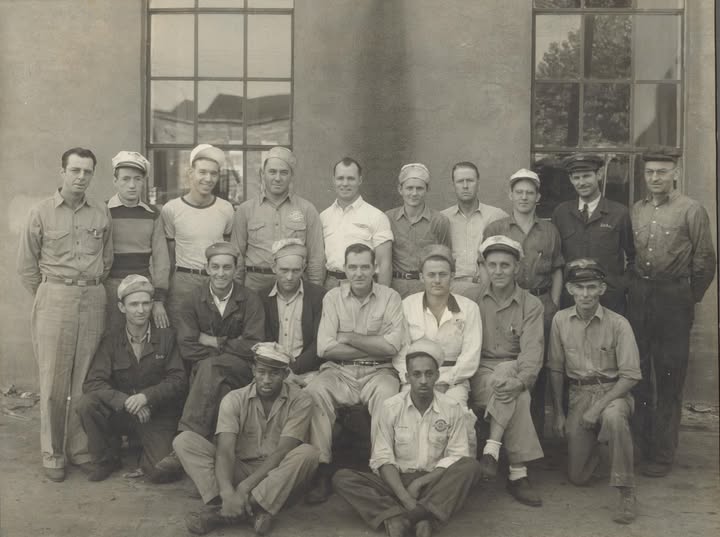
#tbt The Shade Motor Company occupied its own large building, which faced Fourth Street and extended toward the alley on Third Street. Mr. L. S. Shade, took over the Chevrolet line in 1927, and operated it, along with establishing Shade Equipment Company, until his death in an automobile accident in June of 1952. At that time, Frank E. Slentz, Mr. Shade’s son-in-law took over the dealership.
Pictured here is the original crew: H. N. (John) Arnold, Guy Hustedde, and Ralph Hepler, who managed the repair department; Lum Pendergrass, parts man, R. J. King, bookkeeper, Lester Cottrell, C. H. Sawyer, C. E. Murphy, A.L. Allen, Owen Thompson, J.M. Nicholson, James Earls, W. L. Turner, D.A. Davis, and Tommie Wells.
It was reported in 1931, that the business had a payroll of $30,000, and that the dealership, since changing to Chevrolet, the Motor Company placed 1001 new cars on the road, and sold 2139 used cars.
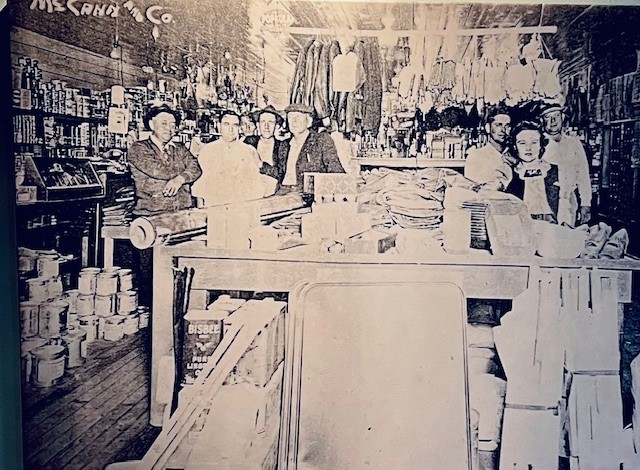
#tbt McCann and Co. was a thriving business in Cooter in the 1930s and 1940s. In April of 1935, because of a fire that destroyed much of the Cooter business district, the post office moved into the building with this store, also occupied by the Wright pool hall and lunch room. Mrs. Elvis McCann was postmistress at that time and Miss Ophelia Young was her assistant.
Shown in this picture at McCann and Co. are Elvis McCann, Opal McCann (the postmistress), along with other business people and customers at the counter, showing many of the items that were for sale in the store. Mrs. Margaret “Pog” Childers, who provided the information for this photo, said that her father, Elvis McCann, died when she was only three years old and that she grew up in the post office here as her mother did her work.
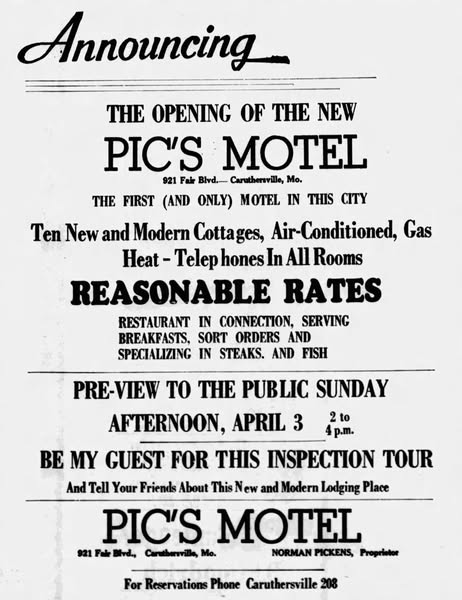
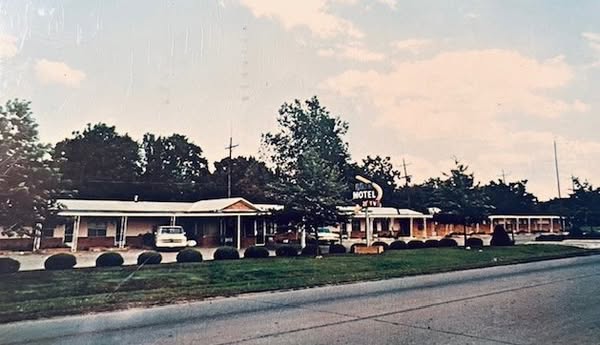
#tbt Pic’s Motel was announced in the April 1, 1960 Democrat-Argus, at a time when there was remarkable growth in that area of the town with the new by-pass, called Fair Boulevard at that time, now Truman Boulevard.
Norman “Red” Pickens, who had been in the used car and service station business, announced that he had recently completed a 10-unit motel. It was built so it could be added to easily (which was done twice by 1962), eventually becoming a 21-unit operation. The rooms were strictly modern – with modern heat in the winter and air conditioning in the summer, along with the best furnishings money could buy. The rooms were of tile veneer constructions and each room featured a tub and shower bath and a telephone. A modern restaurant was also conducted in connection with the motel, called Pic’s Motel Dining Room, operated by Malvin Abbott.
The motel was listed for sale in July of 1965 and it was purchased by Mr. and Mrs. Wayne Bagley of Carbondale, Illinois, who maintained the present name and present policies.
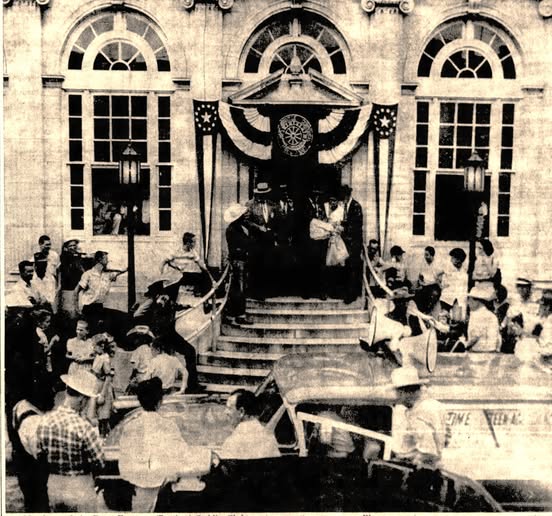
#tbt Caruthersville’s Centennial in 1957 kicked off with the arrival of the 30th rider of the Pony Express with a pouch of official U. S. mail from the Deering post office for the Caruthersville post office. The Bootheel Saddle Club was the official contract holder for carrying the mail for this run, and Clarence Lipsey, Deering farmer and treasurer of the club caught officials flatfooted by arriving at the front door of the post office about 20 minutes ahead of the estimated schedule. The C. & S. Saddle Club of Cooter and Steele also participated in the 15 mile re-enactment of the old Pony Express. A pouch of some 30 or 40 letters was delivered to Postmaster B. F. Brooks. The pouch was opened and letters for Mayor W. D. Byrd and the centennial committee were handed out. These included congratulations from the governors of Missouri, Arkansas, and Tennessee and a communication from former president Harry S Truman.
The arrival of the Pony Express rider with the Mail pouch officially opened the Centennial and was followed with a mile-long parade from 70 to 100 units, viewed by many thousands of people – some estimates as high as 20,000.
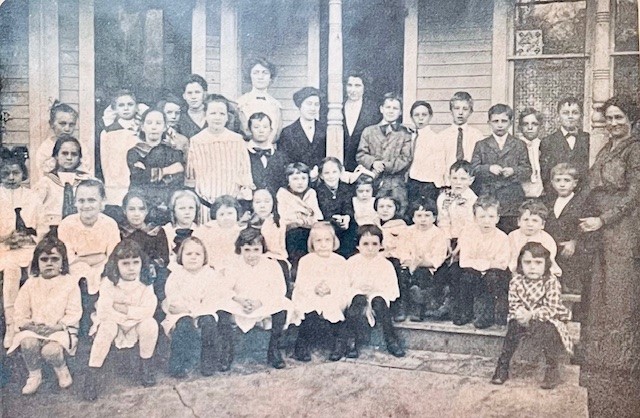
#tbt Frances Mehrle’s 8th birthday party was held at 304 East 7th Street around 1914. (Notice the ice card in the window, requesting the number of blocks of ice to be delivered.)
Pictured are: (Top row from left) Genevieve Bloker, Unknown, Clement Nanson, Flora Hart, and Miss Ethel Moore. Third row from left are: Faye Moad, Freddie McCoy, Antoinette Aquino, Joyce Huffman, Byron Tinsley, and Miss Raye Nevil (Left of porch post) Miss Nell Collins (right of post) Joe Nanson, Cleo McCoy, Julian Jumper, Charlie Knoerr, unknown, and Byron McKay. Second row, from left are :Marguerite Bloker, Frances Aquino, Ruth Crow, Unknown, Conchita Farqua, Marian Musgrave, Frances Mehrle, Mary Mehrle, Mary Shade, Paul Mehrle, Robert Mehrle, Robert Johnson, William Johnson, Byron Ward, and Mrs. C. Mehrle. Front row from left are: Mary Frances Hillard, Janice Burgess, Mary Nanson, Alberta Knoerr, Mary Watkins, Bill Collins, and Anna G. Rayburn.
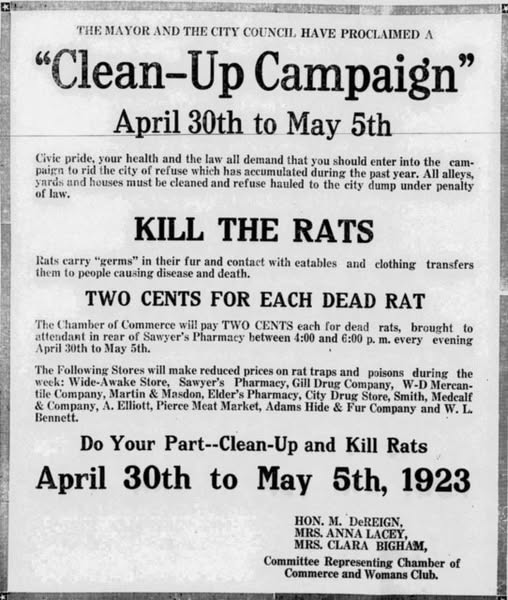
#tbt The front page of the April 27, 1923 Democrat-Argus had a story about this “clean-up campaign”. It read:
“Boys, they are worth two cents apiece, provided you deliver ’em dead, anytime on or between April 30 and May 5. We mean rats – one of the biggest pests civilization has to contend with. Take your “catch” to the Camber of Commerce and count ’em up and the money will be ready for you.
The Chamber of Commerce is cooperating with the city “Dads” and the Womans Club Civic Department also is helping in the campaign for the week mentioned. Citizens are to get rid of all the rubbish about their premises, under proclamation of the Mayor, as published on Tuesday, clean the alleys and streets adjacent, with the cooperation of the street cleaning department, and the “Kill the Rats” campaign is simultaneous with the clean-up campaign.
We hope everybody will get behind this movement and put it over successfully, for it means much to the health of our people to get rid of rats and rubbish, as well as to the appearance of the city.”
Later reports described the amount of rats “bountied” as being minimal.
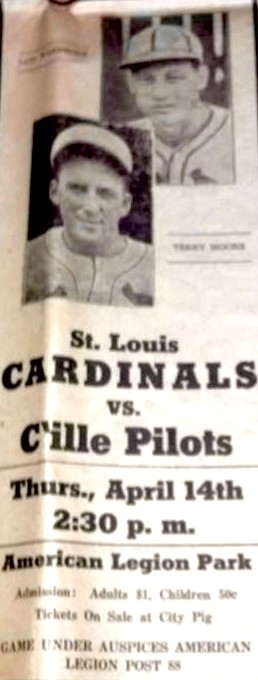
#tbt On April 14, 1938, the “Gashouse Gang”, managed by Frankie Frisch, played the Caruthersville Pilots at American Legion field in a pre-season exhibition game. (Caruthersville was the smallest city to have an appearance by the Redbirds that year.)
Mayor D.D. Pinion drafted a resolution asking for all businesses to close for half a day on that Thursday, so that everyone had the opportunity to attend the game and so the Cardinals could see that the city appreciated their coming to town.
Approximately 5000 fans saw the Caruthersville Pilots go down 15-4 before the St. Louis Cardinals onslaught. Frankie Frisch lent Bunny Simmons, the Pilots manager, three pitchers and a catcher for the game.
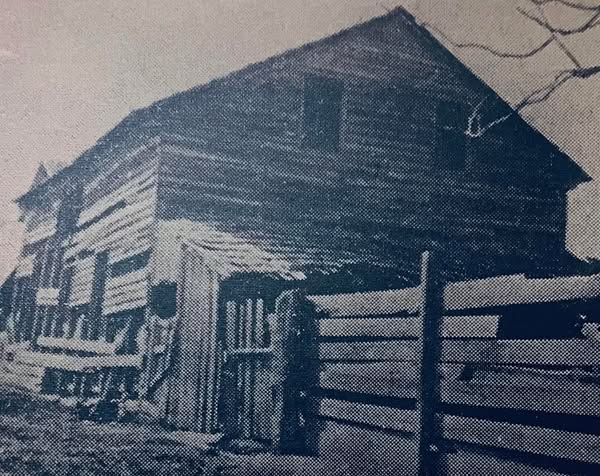
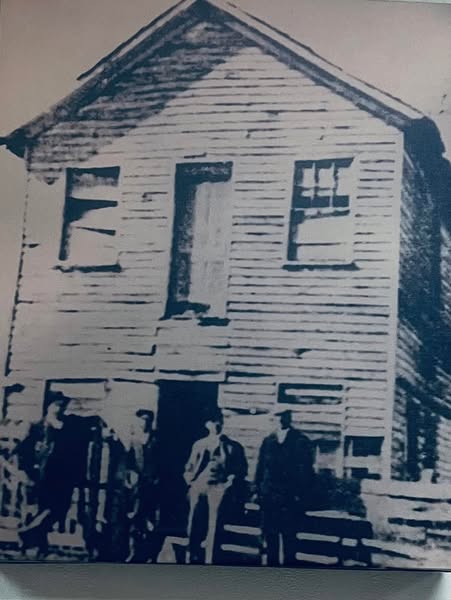
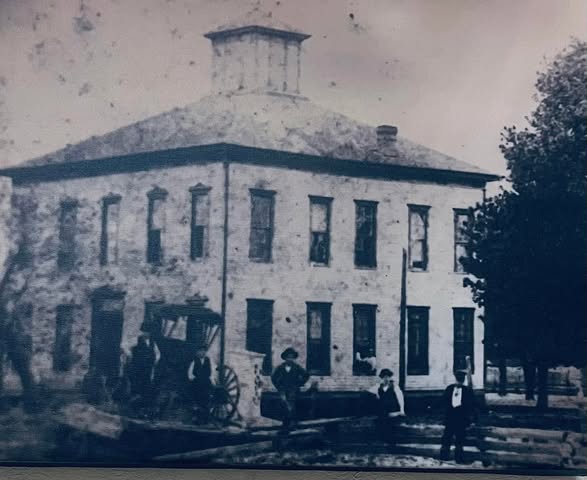
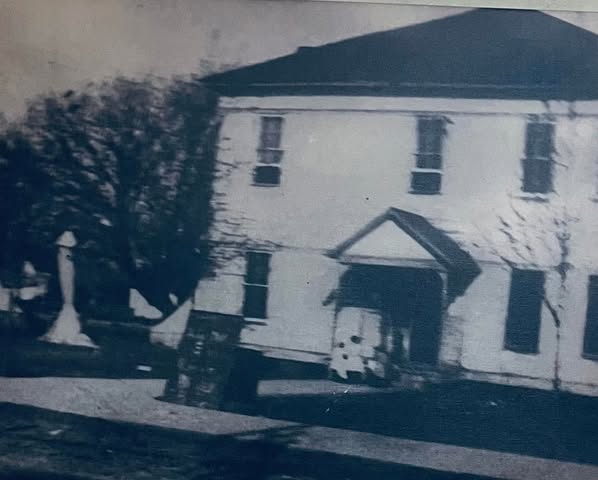
#tbt A tale of four courthouses:
The first courthouse was at Gayoso from 1854-1873 (at top)
The second courthouse in Gayoso was used from 1873 – 1881
The third courthouse in Gayoso from 1882- 1898
The fourth courthouse was in Caruthersville from 1899-1924.
The plaques for all four of these courthouses are on display at the fifth Pemiscot County courthouse, built in 1924 and used until this day.
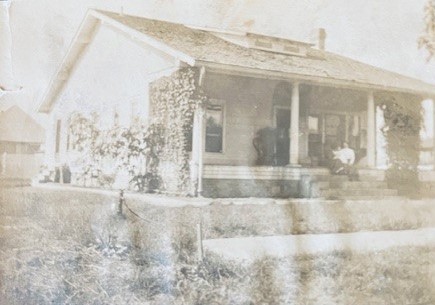
#tbt In 1910, a young businessman named Paul Horner brought his new bride, the former Nelle Ridgely of Olney, Illinois, to their new home on the extreme west end of town in those days – 704 Beckwith. In the June 2, 1910 issue of The Democrat-Argus, it was said that “Mr. Horner is one of our young enterprising business men and his bride was one of the social favorites in her home town. We wish them all happiness in life” Their only child, long-time Caruthersville teacher Mary Ellen Horner was born in this home in 1911 and is shown on the porch of the property with her mother.
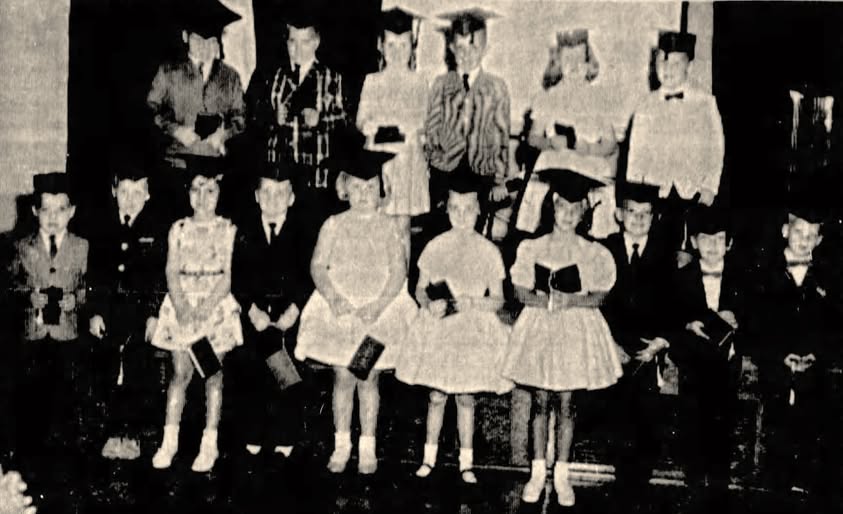
#tbt The 1964 class of the Presbyterian kindergarten “graduated” last week in a program presented before parents and friends.
Standing in the back row, left to right, are Carl Tipton, Hayden McKaskle, Susie Orton, Britt Coleman, Wenlan McTernan, and Robert Morgan.
In the front row, left to right, are Michael Bruton, Denny Cain, Debbie Jones, David Boyd, Jane Fike, Stacy Dunavant, Barbara Merideth, Danny Chilton, Jimmy Hendricks, and Mark Meyer.
Carol McCoy and Timmy Acuff, also members of the class, were not present when the picture was made. Mrs. John Cantrell is their teacher.
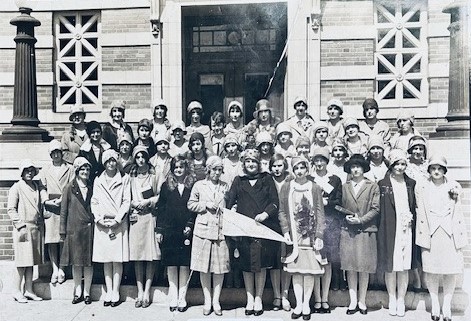
#tbt Caruthersville First Baptist Church had a young women’s Sunday School class called the “Amoma” group, and they were responsible for many fund-raisers and missions contributions over the years. First organized in 1912. Mrs. Willett, wife of the church pastor who arrived in Caruthersville in 1904, served as the teacher. The officers elected were Linnie Tilman, president; Helen Humphrey, vice-president; Bessie Carroll, treasurer; Bessie Patterson, secretary; Mary Schoptan, librarian; and Elizabeth Willett was reporter. Myrtle Hunt was a visitor for this organizational meeting.
This photo was not identified, but shows the group in the late 1920s, it appears, as they are standing in front of the present courthouse, which was built in 1924. There are numerous references to the group over the years, involving bake sales, ice cream socials, and they even formed a stock company to raise money for a new piano. References were made about the Amoma group throughout the digitized newspapers over the years until 1966, continuing their mission as a Sunday School class and fund raising group.
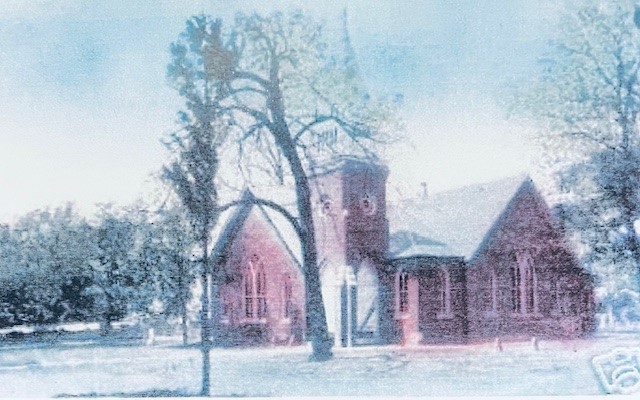
#tbt This postcard picture of the first Eastwood Memorial Methodist Church in 1912 had an inscription from January 1, 1912 with a 1 cent stamp in place. The message includes: “Mississippi has risen so high that it had driven us off. We leave for home tonight.”
This church was built and dedicated in early September of 1901 on the same grounds where the new church sits now.
In 1928, the need was evident that a larger church was needed, so in May of that year, this church was razed to make way for the present church to be constructed in its place. A time capsule was placed in the cornerstone of the new building that included a photo of the pioneer citizen who donated the ground, Mr. Eastwood, as well as certain other articles of interest taken from the cornerstone in the old building, including a history of the church written by Mrs. E. G. Roland.
The present building was constructed using as much of the material from the old building as was usable at a cost of $75,000. It was dedicated on Sunday, May 28, 1929, almost a year after this building shown was torn down to begin construction.
A new parsonage, which burned in the fall of 1927, was built on the site of the old one just after the church was completed.
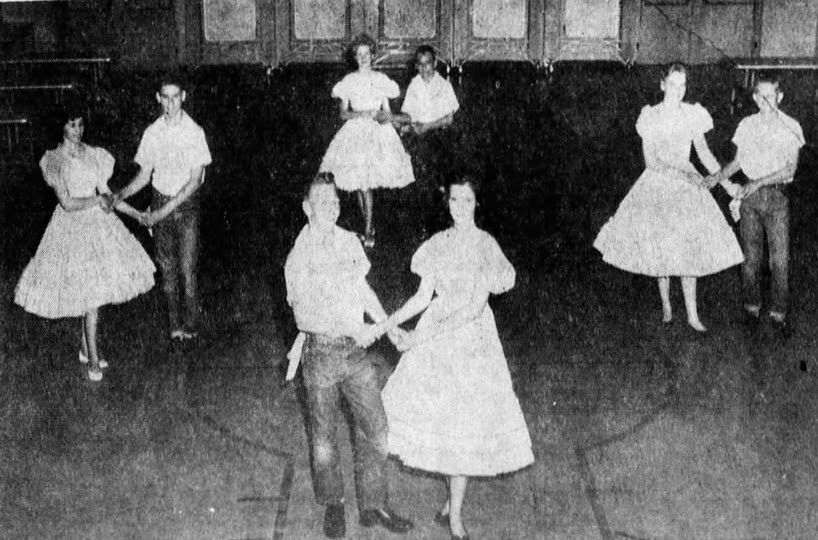
#tbt The R-3 Promenaders, a square dance group from R-3 School was directed by Mrs. Ann Jones in 1960. They participated in the Spring Music Festival and appeared at the Steele Homecoming Talent Program on May 27th of that year.
They are (back row, left to right): Maureen James, Eddie Lossing, Karen Sue Hundhausen, Jerry Taylor, Cheryl Davis, and Jimmy Seaton; (front row): Phillip Boone and Sandra Vaughn.
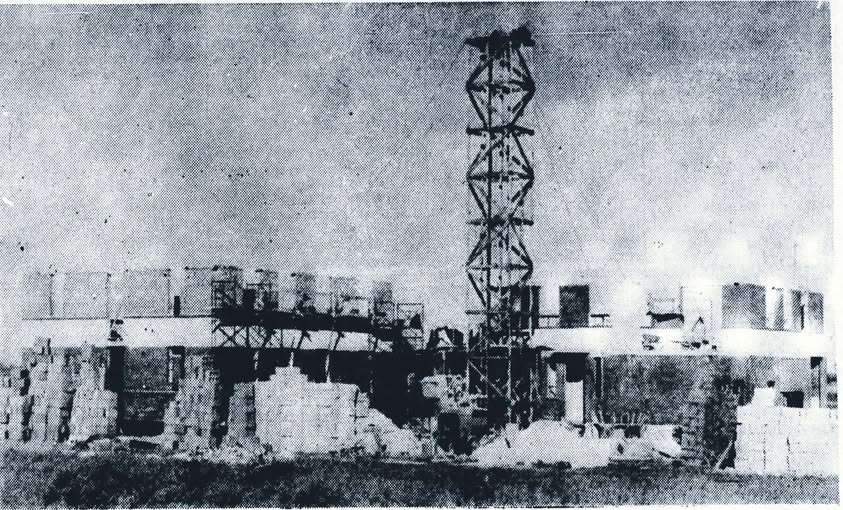
#tbt A rare photo from the Missouri Herald in Hayti from October 28, 1949 shows Pemiscot Memorial Hospital under construction. The V and M Construction Company of St. Louis was given about a year of construction days after beginning work on July 11th of that year.
The hospital was ultimately completed and opened in August of 1951, with L. J. Coble of Caruthersville being the first patient. Quite a number of patients were admitted after Mr. Coble and it continues to be a valuable service to everyone in Pemiscot County.
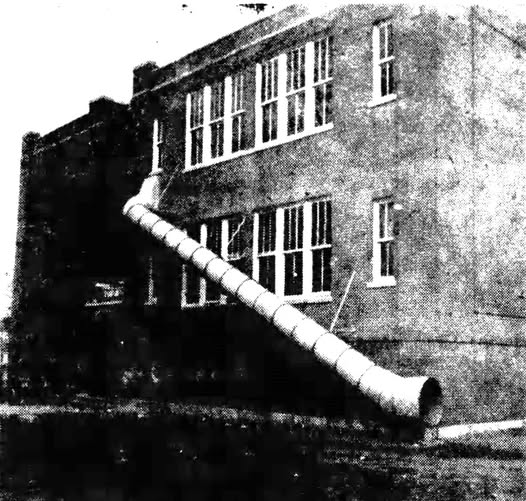
#tbt In February of 1951, it was reported that a new type of fire escape was installed at the older of the two elementary schools. This building – Lee Rood – was frowned upon by the State for years because of its age and the hazards to the lives of the children which it posed.
To escape the building, boys and girls would take hold of the panic bar, kick open the doors, and slide to the ground. Once the children entered the “tube”, they had little choice but to slide quickly toward terra firma. Several fire drills were scheduled to familiarize students with the fire escape. It was necessary at first to administer first aid a few times because of skinned knees or arms in making their “landing”, but with added practice they became able to perfect their method to land on their feet.
Many parents in the past had been more or less worried because of the hazards of this building, which long before would have been abandoned, except for the dire necessity of its continued use, and the addition of the fire escape was a comfort to them.
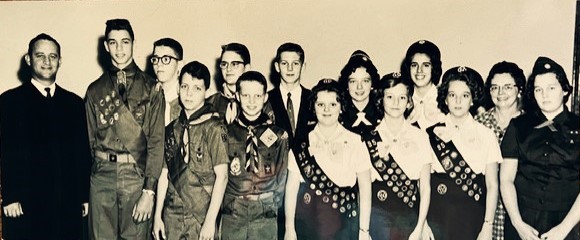
#tbt Dr. Paul Currie represents the First Presbyterian Church as they honor Boy Scouts and Girl Scouts during Scouting Week in the early 1960s.
Shown here are (left to right): Tommy Thomas, Linwood Betz, Dixon Betz, Johnny May, Jack Hale Tipton, George Prange, Nancy Dunagan, Patsy Teroy, Jeanie Cantrell, Kemp May, Linda Cantrell, Verna Teroy Daulton, and Janie Cantrell.
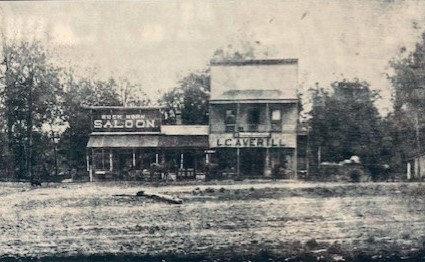
#tbt In Hayti, this was the Buck Horn Saloon, located on the southwest corner of Fourth and Broadway. It was definitely open in 1898, when a Republic candidate for Congress, George Miley, was in Hayti looking for votes and visiting his old friend, Brack Gaskins, who was the bartender at the saloon. The Dorris name had been prominent in Gayoso and afterwards in Hayti, and George Dorris, at that time, ran the Buck Horn Saloon, but after it closed he operated an undertaking establishment in the same building. It was said that the building became a lot more quiet then than it was when the saloon was there.
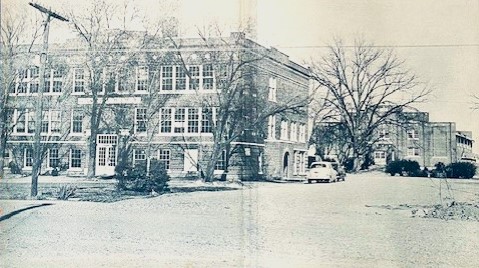
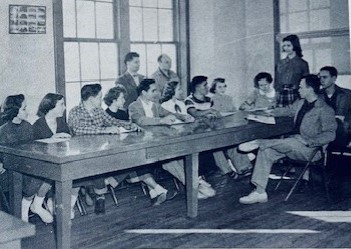
#tbt Steele High School in 1954. Also shown here is the Student Council for that school year:
(left to right) Rebekah Huffman – 7th grade, Jean Frakes – 8th grade, Tony Waller and Doris Medlin – Freshman reps, Carl Blanchard and Shirley Morton – Sophomore reps., Jerry Christian and Helen Proctor – Junior reps., Linda Poole – Secretary, Patsey Caldwell, President, Sonny Lovelace – Vice President, and James Weaver – Senior rep.
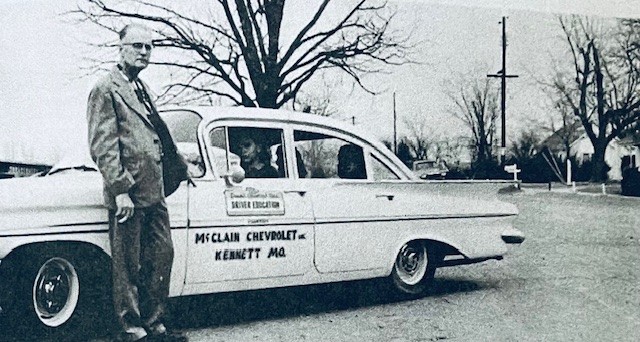
#tbt In honor of this weekend’s Bootheel Antique Car Klub show, we feature a classic Chevrolet donated by McClain Chevrolet in Kennett to the 1960 Wardell High School Drivers’ Education class. Shown here are Mr. Potts, the instructor; Larry Joyner, Driver; Back seat: Barbara Adams, Bobbie Latham, and Arlis Baynes.
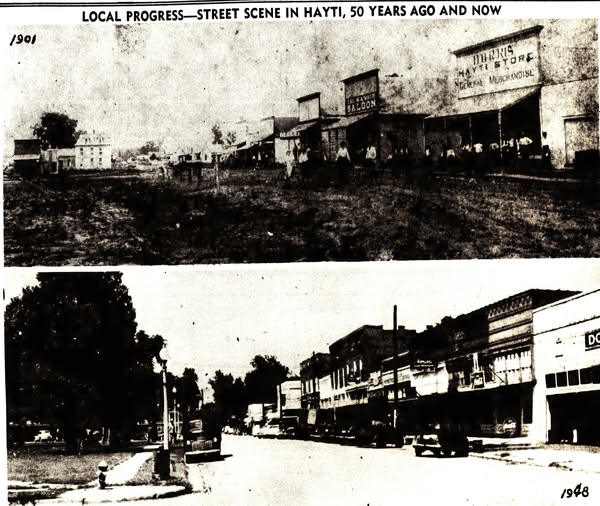
#tbt Hayti is depicted in two identical shots almost 50 years apart, showing how Fourth Street looked facing north, from a point approximately in front of the Masonic Building on the southwest corner of Fourth and Broadway in 1901. The two story building on the left in the second block was the Commercial Hotel, which was situated on the site that later housed Shirey’s IGA. The second photo is as the same street looked on the August 20, 1948 issue of the newspaper.
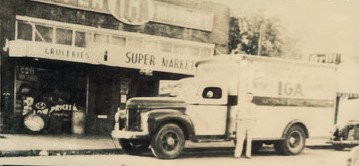
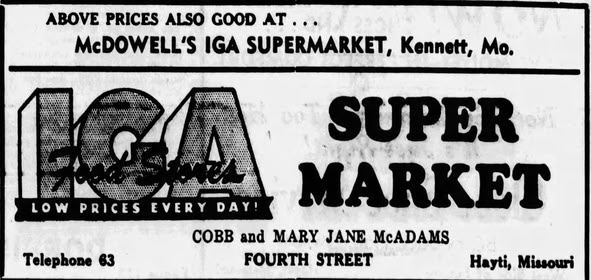
Also shown is a 1950-era picture of the IGA in Hayti with one of the newspaper ads for the store.
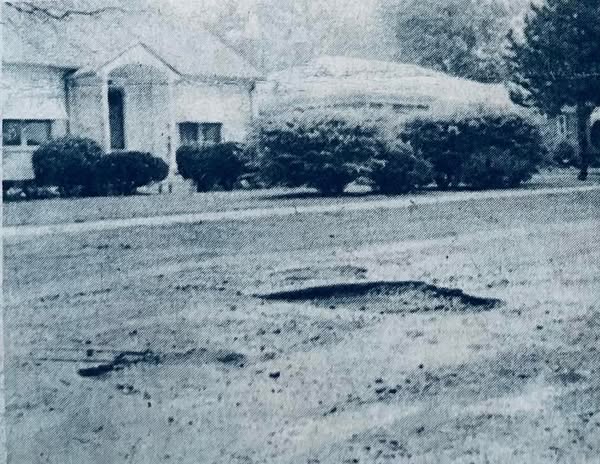
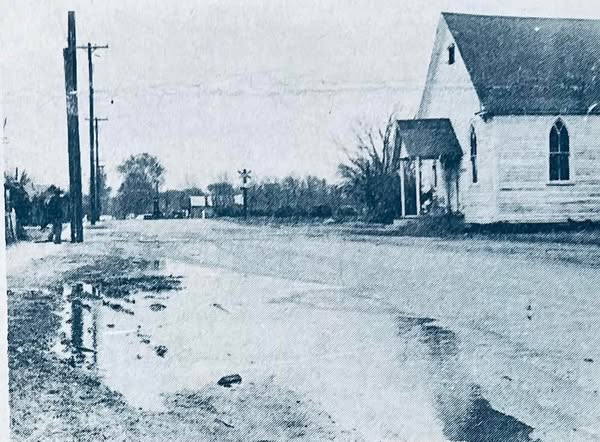
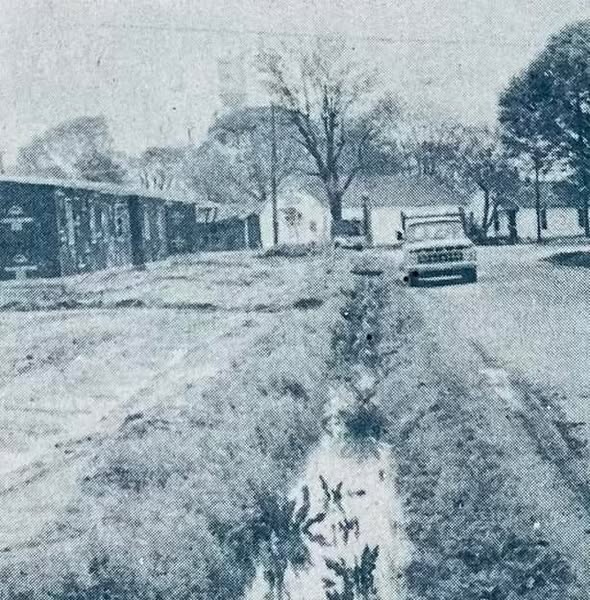
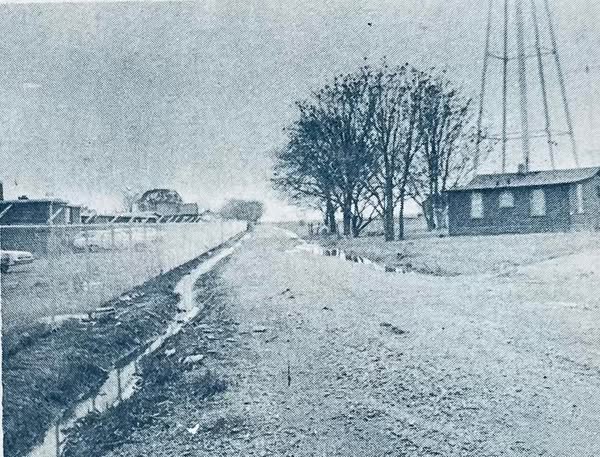
#tbt Street paving, curbs, and gutters were a major issue in 1968, especially on the east side of town near Washington School, which became Caruthersville Junior High that fall. The amount of traffic on the roads near the school was expected to increase, and Asher Avenue, the road between the Compress and the school was unpaved and needing a hard surface.
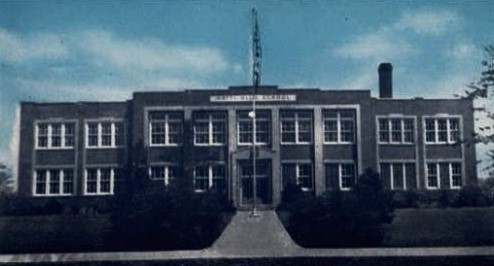
#tbt Hayti High School is shown here in the early days after it was constructed in 1931. It was built at a cost of $56,000 and replaced the previous high school, which was destroyed by fire. Over the years many other buildings have been added to the campus.
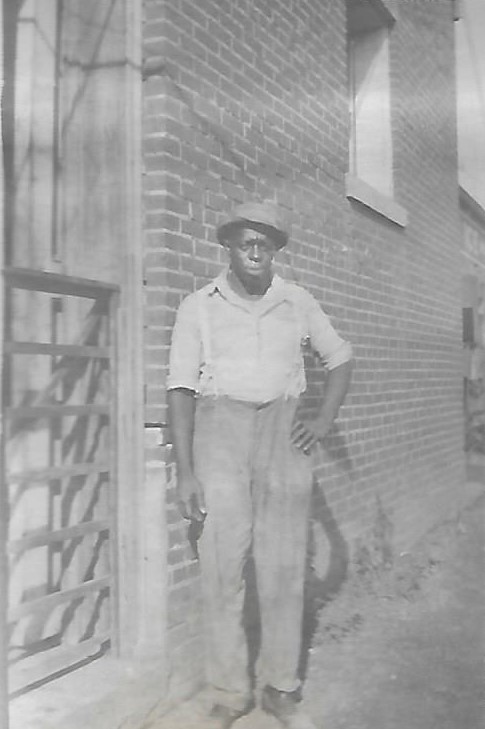
#tbt George Anderson was an employee of the Ice Plant in Caruthersville, which was begun in the city as the Purl Ice Plant and was later purchased by a syndicate with J. S. Wahl and the name was changed to the Caruthersville Ice and Light Company. He was one of the men who, in April of 1913, helped to sandbag the levee which was being overtopped by water near the ice plant and near the Dillman Mill. Mr. Anderson and many other men responded quickly and the hurried placing of sacks stopped the cutting of the wind waves, which were eating their way across the crown of the levee. The danger was great and many residents in the Ferguson addition had already left their homes for higher ground, fearing that a break in the levee was imminent. Daylight brought the view that the damage done by the waves was not as bad as earlier thought.
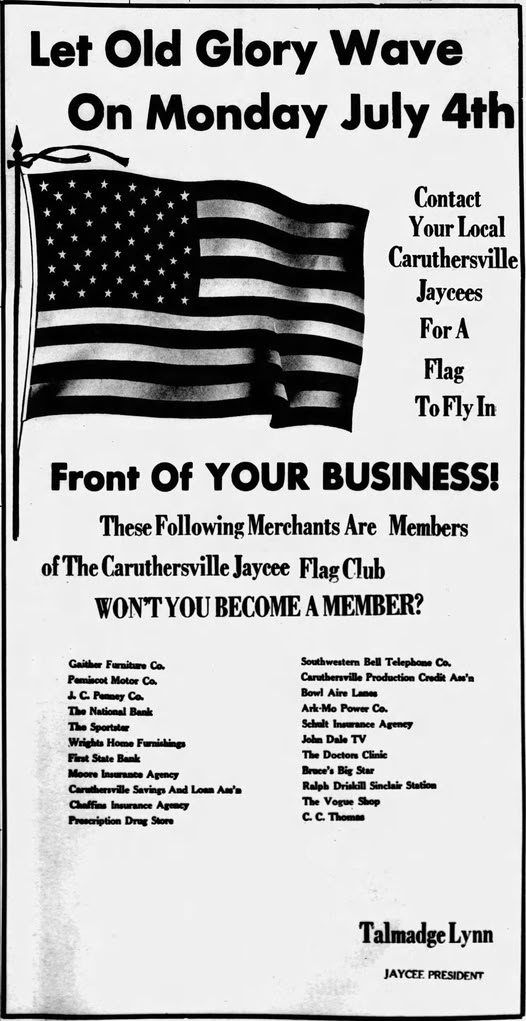
#tbt Happy Fourth of July! From the June 30, 1966 issue of The Democrat-Argus comes this advertisement from the Jaycees organization, where Talmadge Lynn was the president. (Note the old merchants in the city at the bottom of the ad.)
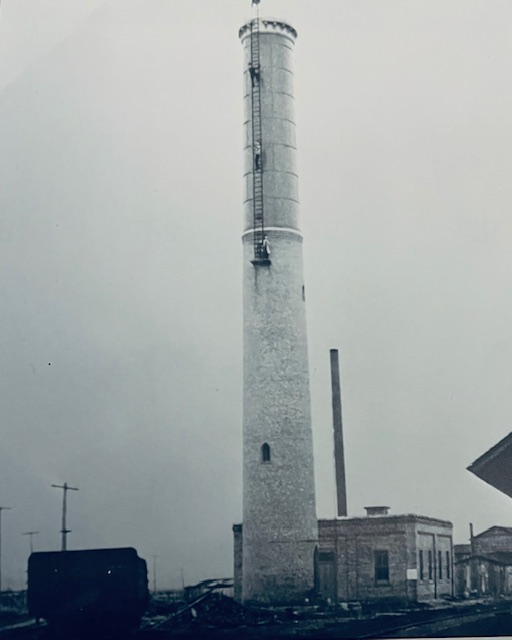
#tbt Waterworks won! This was the headline in the Pemiscot Argus on October 25, 1901, reporting that there were only six votes against the proposed water tower. It was said that Caruthersville’s greatest drawback for growth and prosperity was the scarcity of water, or rather the inconvenience in getting it and the quality of it. At that time, with the exception of a few cisterns, the main source of water supply was the river, and the only way to get water from the river was to haul it in barrels. The water obtained was naturally muddy, yet even more offensive after standing for a few hours, and there was also no fire protection at that time for the city.
Contracts were let in December of that year and construction took place during 1902, at a cost of $26,000. In this picture is shown people on the ladder leading to the top as they inspected the construction. Pipes were run throughout the community as construction on the tower was done, and the water was turned on in January of 1903.
Though the tower hasn’t been used since 1957, it was placed on the National Historic Registry in 1983, which means it will always be preserved.
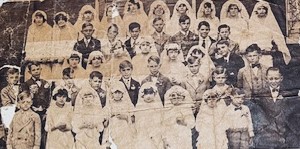
#tbt The First Communion class at Sacred Heart Church around 1930 when Fr. E. T. Walsh was pastor included:
First row (l-r) Donald George, Nellie Fitzmaurice, Edna Catherine Ahern, Evelyn Ross, Marguerite Fitzmaurice, Annie L. Schumocker, Alberta Cotham, Billy Gene Hayden and James Ross
Second row (l-r) Charles Burton, Charles Pike, Earl Masdon, Michael Wilson, Clements Popham, Lester Ross, Thomas McAlister, Joseph Barber and John Sullivan
Third row (l-r) Mildred Edwards, Netha Fitzmaurice, Tressie B. Wilks, Christine Burton, Anita Barber, Anna E. Huffman and Nick Hill
Fourth row (l-r) Frank Reichert, G. H. Morgan, Henry Fitzmaurice, August McAlister, James Fitzmaurice, Junior Hill and James F. Cotham
Fifth row (l-r) Virginia Morgan, Martha McElvain, Mary F. Crecelius, Virginia Culp, Elizabeth Hill, Evelyn Martin, Lela Dexter, Evelyn Hill, Kathleen Nichols and Catherine Fitzmaurice
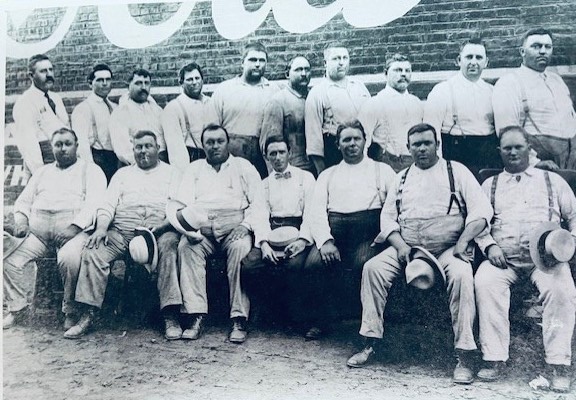
In 1905, this photo was made by an itinerant photographer who was amazed to see so many “big men” in so small a town.
Shown are (front row, left to right) Oscar Garrett, Bob White, Henry Garrett, Clell Tindle (Mayor and mascot, not a “big man”), Bill Hogan, Ben Tinsley, “Fatty” Sally
Back row, left to right: J. S. Wahl, Dr. G. W. Phipps, John McFarland, Ben Rutherford, Joe Little, Bill Shepard, A.C. “Pete” LaForge, Bill Kelly, Elwood Scott, and George Garrett.
Except for Mr. Tindle, the smallest man was 6’1″ and weighed 225 pounds.
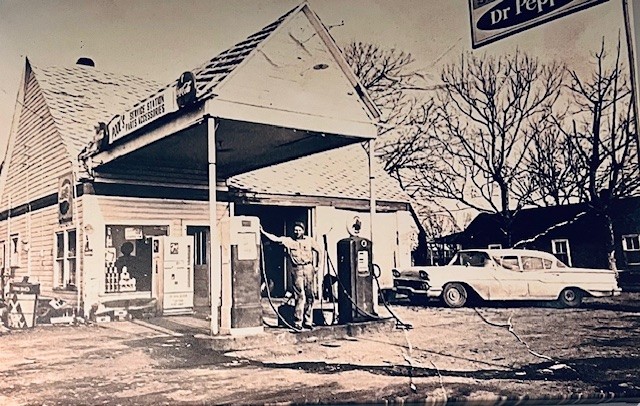
#tbt This was one of the service stations located in Cooter, which at one time had three “filling stations”.
In 1929, Michie’s Super-Service Station offered hay baling as an extra service at the time. Charles Michie and his bride, Grace Dunivan, were married in the home of a justice of the peace in Cooter, and Jerry Holly and his wife, a later operator of the station, were witnesses at the wedding. Michie was a very prolific family business name in Cooter during the mid-1930s. They operated a hardware store, a store company, and a pool hall. In 1935, there was a lunchroom adjoining the Super-service station called the “Wide-Awake Lunch Room”. It was open both day and night.
At the end of 1939, the Tom Hopper Service Station sold Standard Red Crown Superfuel, which was advertised to give more live power per gallon.
The Jerry Holly service station hosted a site, also at other county locations, for worksheets to be completed that were called the 1943 farm plan, or “war rating”, which helped farmers locate enough seasonal and year-found workers to place where they were needed.
Sgt. John R. Terry who had been employed at the Pemiscot Oil Company before enlisting in the U. S. Army during WWII, ended up taking a British bride and was successfully discharged from the military in 1946 returning to the area.
There were three stations in Cooter in 1957 – J. W. Kelley’s, Flowers
Service Station and J. W. Neil’s Station. Mr. Neil’s wife, Reba, opened a fabric store in Cooter in April of 1957 called the “The Mill Ends Store”, across from the station.
J. W. Kelley, of Holland and Cooter, reopened the Holly station in February of 1957, but in July of that year he became the manager of the Texaco station in Steele.
Simpson Service Station in 1961 and Darrell Edwards service station in 1965 were two other locations in Cooter that were mentioned in newspaper advertisements.
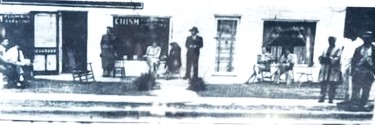
#tbt At the Hayti city election in 1952, Martha’s Beauty Salon at 406 E. Washington was one of the polling locations. Precinct judges were Robert Garrett, Mrs. Russell Dalton, and Mrs. Ollie Chism. Shown here are people handing out cards to voters around noon in front of the precinct.
At this April election, John W. German was elected alderman in Ward One with 237 votes to C. A. (Clem) Vivrett’s 160 and A. J. Baxter’s 78. The library tax on the ballot carried 200 to 70 in Ward One, and Ward Two approved it as well.
The vote at Ward One on this day was considered unusually large.
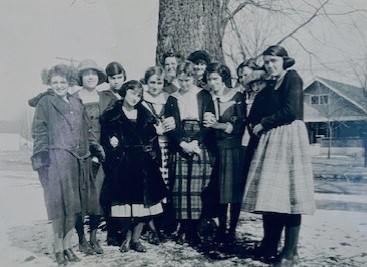
#tbt In front of CHS, the girls in the Class of 1923 were together in front of the older high school, destroyed in a fire in the early morning hours of October 26, 1923. The CHS building that most remember was constructed the following year and used until the tornado of 2006.
Shown here are Edith Wilks, Sadie Williams, Hester Hawkins, Louise Duffy, Genevieve Bloker, Grace Amburgey, Class Sponsor Julia Hawkins, Mary A. Scott, Helen Powell, Gladys Siler, Kathryn Edgerton, Frances Aquino. Helen Dillman was also in this class, but she took the picture.
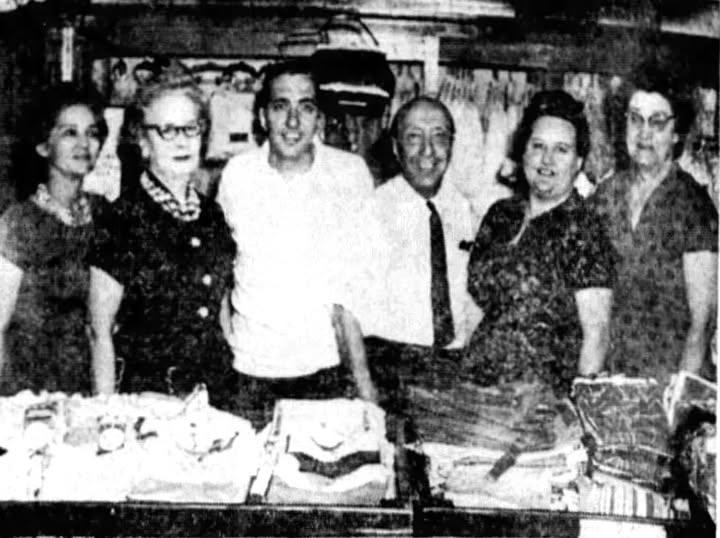
#tbt In a photograph from May 25, 1962, the employees of Sam Hamra’s Store in Steele are shown with their owner and founder. From left are: Ruby Ferrell, Rita Smith, Jerry Hamra, Mr. Sam F. Hamra, Helen Clayton, and Fanny Harrison.
With the recent passing of Sam F. Hamra Jr. in Springfield, MO, the family’s history in Steele deserves recognition.
His father, Samuel Hamra, was a native of Syria who came to the U.S. in 1913, landing in New York, and came to Caruthersville where he acquired his education. He came to Steele in 1919, where he established his mammoth store at Steele and a store in Hayti in 1929. He also owned 320 acres of land rented out to good tenants for crops and livestock.
“Mr. Hamra was progressive, energetic and active in the things that contribute to the general upbuilding and betterment of the communities he serves, and when it comes to boosting and working For Steele, Hayti, and Pemiscot County and Southeast Missouri, he is right there with his time and money to help shove the community over the hill to success,” from the November 15, 1940 Democrat-Argus. “Cheaper power, lower taxes, better roads and constructive public development have a good friend in Mr. Hamra.”
Mr. Sam F. Hamra, his son, was born in 1932 in Steele, but lived much of his life in Springfield, MO, first as a lawyer, then helped to form the Legal Services of Southern Missouri. He also became a franchisee of Wendy’s Restaurants and also Panera Bread. His company, Hamra Enterprises, now operates 196 restaurants in 11 states with over 7400 employees. He recently died in Springfield on August 2, 2024 at the age of 92.
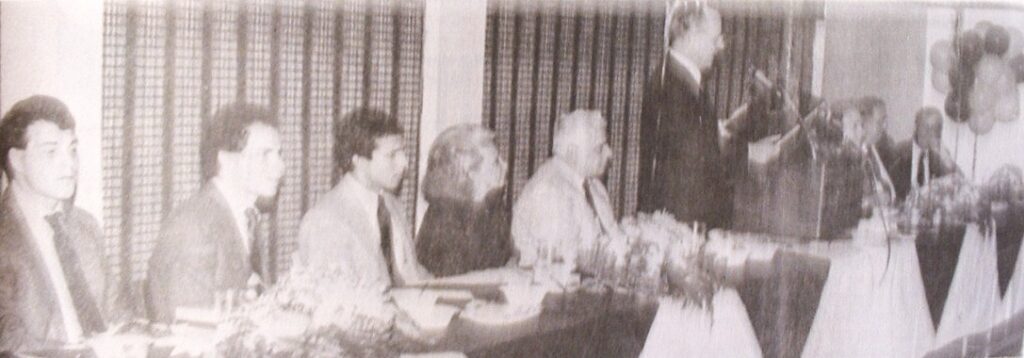
#tbt A book of proclamations and other resolutions was presented in October of 1987 to Dr. Alan S. Gubin by dinner emcee, Dr. Terry Swinger, to honor Gubin for 30 years of service to the area. Visible at the head table, left to right, are David, Barry and Steve Gubin, Freddie and Dr, Gubin, Dr. Swinger, Jane Betz Wilson, Lee Dorroh, and Dr. Jim Bernard. Over 850 people attended the recognition dinner honoring Dr. Gubin and his charity received $5640 from the evening.
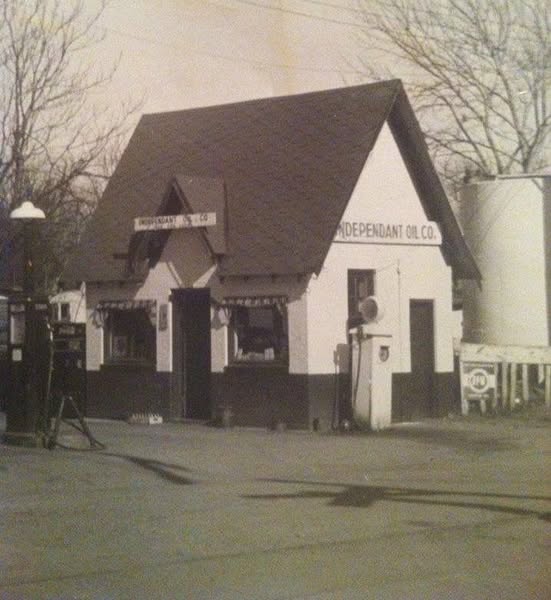
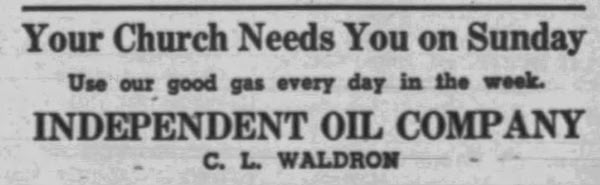
#tbt The “Independant” Oil Company was located at the corner of 15th Street and Ward Avenue. The first mention of it in the newspapers was in 1936, when someone drove into a gas pump and ignited a small fire when someone lit a match nearby. No one was injured and there was only $250 damage. Over the years, C. L. Waldron operated the popular station, with the slogan “Gas for Less”, even recommending that residents go to church on Sunday in an advertisement from 1938. The station closed in the 1970s or 1980s and it later was renovated for use as a restaurant. “Don’s Place” was in the building for a number of years and it is now the home of “Mama’s Boys” restaurant.
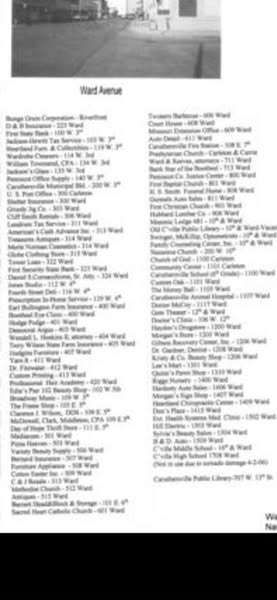
#tbt In 2006, The Pemiscot County Historical Society Prepared a walking map businesses and important locations in Caruthersville. You can see the number of businesses then and where they were located at the time.
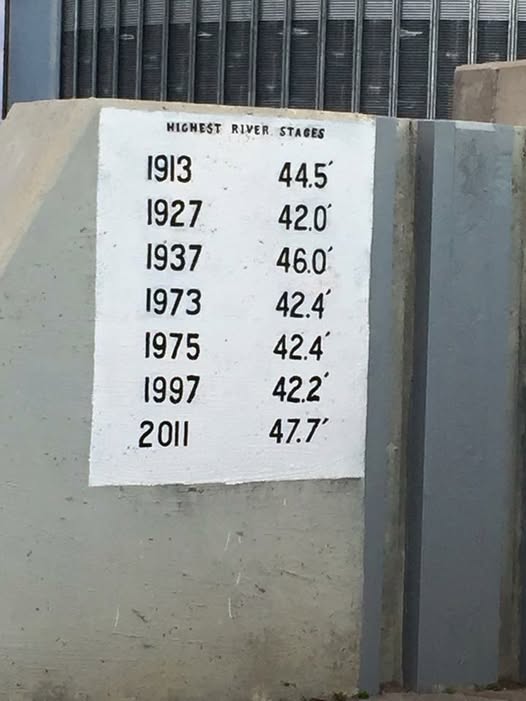
#tbt The very first mention of the flood wall, sometimes called the seawall, was in November of 1916 when one was being built for the first time to protect the city.
The newspaper read: “The seawall has now been completed to almost Walker Avenue and the ditch completed to Bushey. When it is ended below the Dillman Egg Case plant, Caruthersville will complete and have secure protection from overflows, as the top of the wall will be several inches higher than the highest water mark in 1914.”
From May of 1917 after a time of flooding : “The seawall has been a comforting thought over the past two or three weeks.”
After the 1927 flood, discussion started to increase the size of the wall and in July of 1932, construction began on a new wall, which replaced the one from 1916. The old one was not over five feet high and the new – present – wall averages about 12 feet in height. About 4000 cubic yard of concrete was poured and the cost of the job at that time was $86.000. This existing see wall has been protecting the city from the Mighty Mississippi” since then.
On April 7, 2011, the Mississippi River at Caruthersville crested at a historic high-water stage of 47.61 feet. This stage surpassed the 1937 water level of 46.0 feet. This historic river stage brought much attention to the condition of the old 1932 flood wall.
Now a new higher wall is being constructed and it will continue to be a “comforting thought” to the people of Caruthersville.
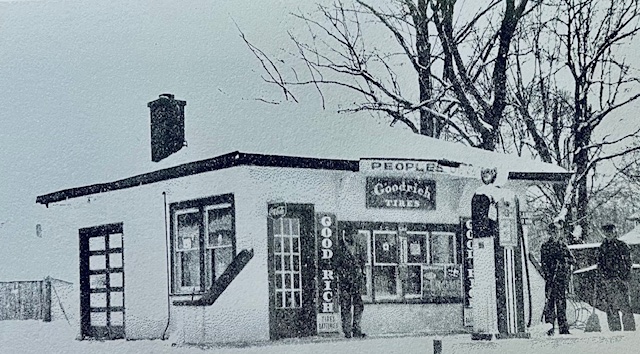
#tbt Pink Acuff operated the Peoples Oil Co. service station in the 1930s and 1940s at 10th Street and Ward Avenue in Caruthersville. Around the end of World War II, Peoples Oil Co., an independent station, relocated to a new facility on West Third Street. Burgess Acuff, later the City Collector for Caruthersville, did most of the gas pumping and service work. Peoples Oil Co. on West Third closed around 1975 and was occupied for many years after that by The Cecil Co. used car lot across from the Armory. That building, across from the armory, was demolished only a few years ago.
Meanwhile, the property at 10th and Ward was used for a time as a used car lot by Harold Pery. Around 1967, the corner was cleared by Dick Murphy and Pemiscot Oil Co. moved into a new Texaco service station and adjacent office building. Those buildings are still there today, hosting an automotive repair business in the old Texaco station, which was Highley’s and Big Joe’s service stations in previous years. (Thanks to Tommy Clayton for information on this post.)
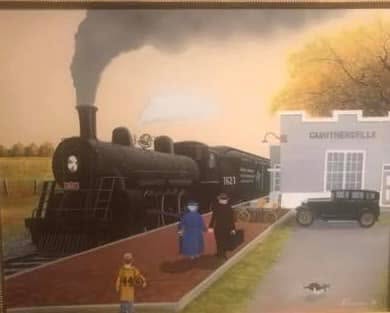
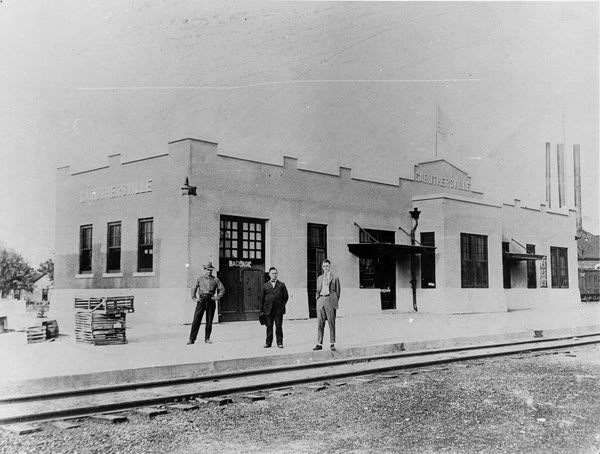
Artist Edsel Dawson of Hayti painted the Cauthersville Depot as it looked when trains were still running. Dawson owned and operated Dawson Oil Company for many years and worked at Kelley Electric.
The second photo is a photo from Frisco.org showing the actual depot when it served the city as a working train station. It was, of course, located on West Third Street and later served as a museum and is now the General John Riggs Veterans Park.
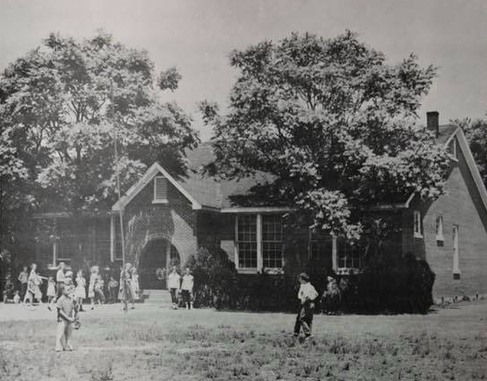
#tbt The Cottonwood School was a four-room school located in Cottonwood Point. Charles Johnson, principal and seventh and eighth grade teacher, became the first superintendent of the new R-3 School. Mrs. Vera Hooker taught fifth and sixth grades; Mrs. Marilyn Dunavant the third and fourth grades. Miss Kate Handley completed the staff by teaching first and second grades.
In 1954, Dick Constant of Cottonwood Point served as treasurer for the Board of Education Reorganized School District R-3, which included schools at Chute 16, Kinfolks Ridge, McCarty, Cottonwood Point, Mound, Canady Switch, and Chapel, A $150,000 bond issue was passed by voters to approve the construction of the existing R-3 school, with some of the funds being used for improvements on the Cottonwood Point building, since it would continue to be used as a part of the new school district.
When the use of the building for a school ended, it was used for a recreation hall in Cottonwood Point until it was torn down years later for its used brick.
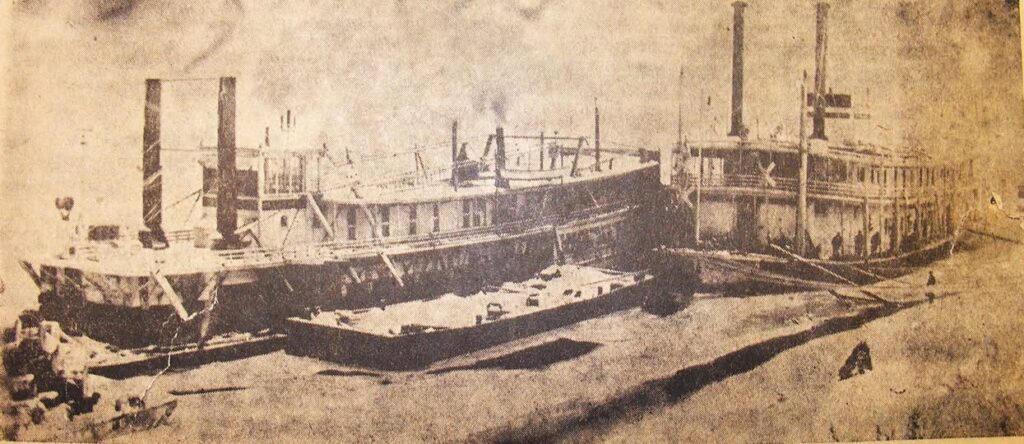
#tbt This riverfront scene was typical of long past days in Caruthersville when riverboats tied up here at frequent intervals. This photo of two boats was taken during the “hard” winter of 1917-1918, which was historically a very severe winter.. The craft at the left is a towboat owned and operated by the Mengel Box Factory, which was just across the river at Dyersburg for many years, while the one at the right is the Oleander, a light tender boat on which Mr. Winfield Bader, the owner of this photo, was employed. Snow covered the river bank and the flat-bottomed shown in the photo.
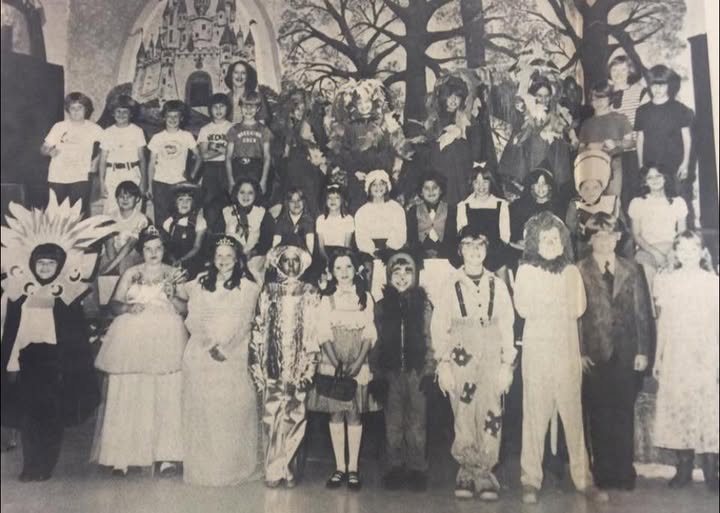
#tbt 4th Grade cast members performed the “Wizard of Oz” play at Westside School in Caruthersville in 1978.
Students are, front row from left, Randy Riney, Claire Hayden,
Lisa Long, Susan Streete, Michelle Watkins, Daniel Figgins,
Stephen Bennett, Jay Grantham, James Mott, and Jo Walker.
Second row from left are Ray Lamb, Chris Brewer, Denise Lilley, Lori Rorie, Selina Pullam, Vicki Haynes, Jane Grantham, Tammie Sayre, Dee Anne Southern, Michele
Quinn, and Shonda Rumbaugh.
Back row from left are John Bernard, Richie Barrett, Billy
Boyd, Derrick Alls, Brian
Abbott, Robin Reed, Ashlea Hardesty, Renee Overbey, Lori Lee, Tim Magsby, Shayne Hollomon, and Greg Callens.
Standing in back are teachers Mrs. Mary Motley Evans
and Mrs. Carol Faughn Plumley.
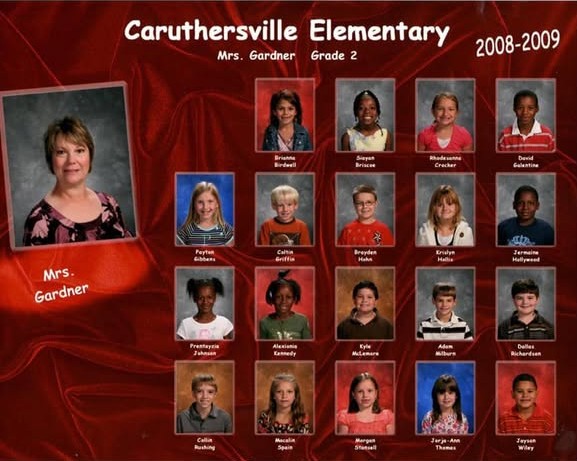
#tbt Mrs. Sharon Gardner’s 2nd grade class in 2008-2009 is shown here.
Top row, left to right: Briana Birdwell, Siayan Briscoe, Rhodesanna Crocker, and David Galentine.
Second row: Payton Gibbons, Colton Griffin, Brayden Hohn, Krislyn Hollis and Jermaine Hollywood
Third row: Prentayzia Johnson, Alexionia Kennedy, Kyle McLemore, Adam Milburn, and Dallas Richardson
Fourth row: Collin Rushing, Macalin Spain, Morgan Stansell, Jorja-Ann Thomas, and Jayson Wiley
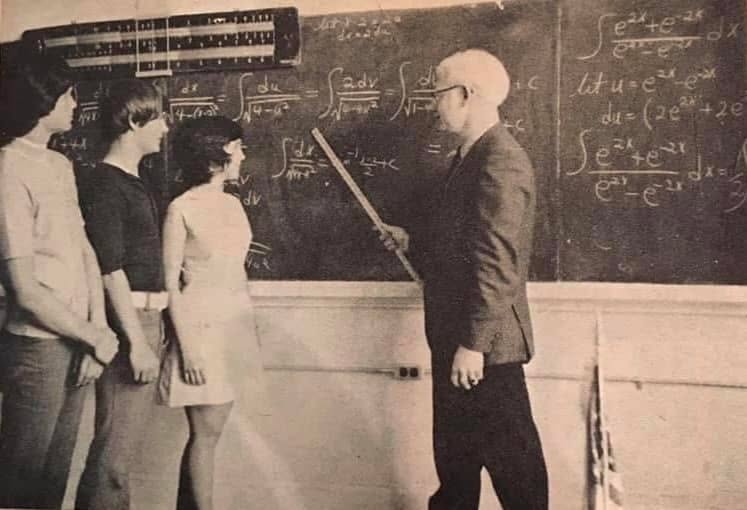
#tbt The first Calculus class to earn a credit in that subject from Caruthersville High School graduated in May of 1971. Left to right, they are James Ralph Sides, Dickie Taylor, and Elise Overstreet. Mr. James Wilson, the Math instructor, said “They are all excellent students and make superior grades in the course.”
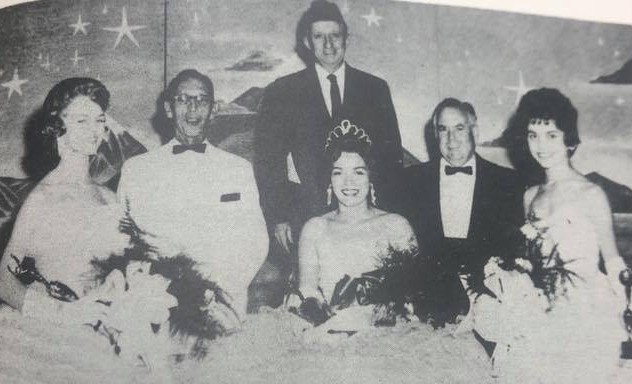
#tbt Every fall, the American Legion Fair at the Pemiscot County Fairgrounds in Caruthersville was a “must go” event. With everything from horse races to celebrity appearances, along with the usual exhibitions and contests, a celebrated part of the fair was the American Legion Fair Queen contest.
In 1961, the winners were (seated, center) Queen Miss Donna McGimpsey of Caruthersville, (at left) Miss Sherry Gill, Hayti, first alternate and (at right) Miss Ginger Hardy, Caruthersville, second alternate. To the rear of the ladies are (from left) “Kuz” Moreland of radio station KCRV, Legion Post 88 Commander, M. J. “Junior” Upchurch, and W.W. “Burley” Chism, announcer for the event.
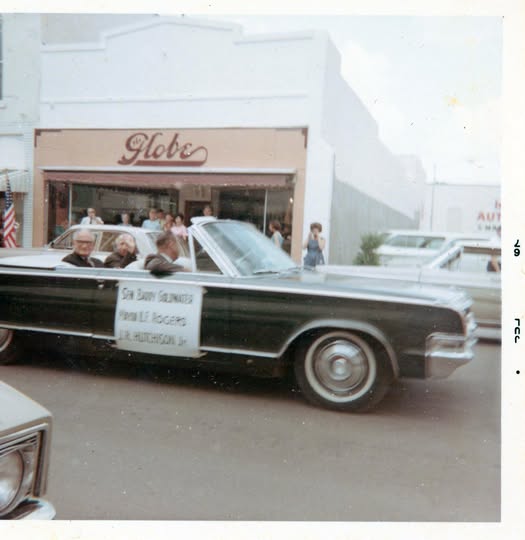
#tbt Senator Barry Goldwater, the unsuccessful Republican challenger for president of the United States in 1964, visited Caruthersville for the dedication of the John England Memorial T-33 Jet Aircraft Trainer in August of 1967. Shown in this photo (left to right) are Senator Goldwater, B. F. “Hot” Rogers, mayor of Caruthersville, and J. R. Hutchison, Jr, a close friend of John England.
It was first considered to put the jet at the circle drive at the Municipal Airport, but then it was decided to place it at the City Park, which was renamed England City Park commissioner Terry Rollins said in May of 1966 that the jet only cost the city $10.66: “We fed the air force men who brought it here and set it up, which cost us $8.50. And we paid $2.16 for screws. A real good investment, I think.”
Born and reared in Caruthersville, John England entered cadet training in 1942. He was the son of Mr and Mrs. Hugh England, who lived in the 600 block of Laurant Avenue. Colonel England was named Missouri’s outstanding fighter pilot in World War II. He died on November 17, 1954, flying a routine mission over France, and was buried at Arlington National Cemetery in Washington, D.C. The Air Force Base at Alexandria, LA was renamed England Air Force Base in the late 1960s.
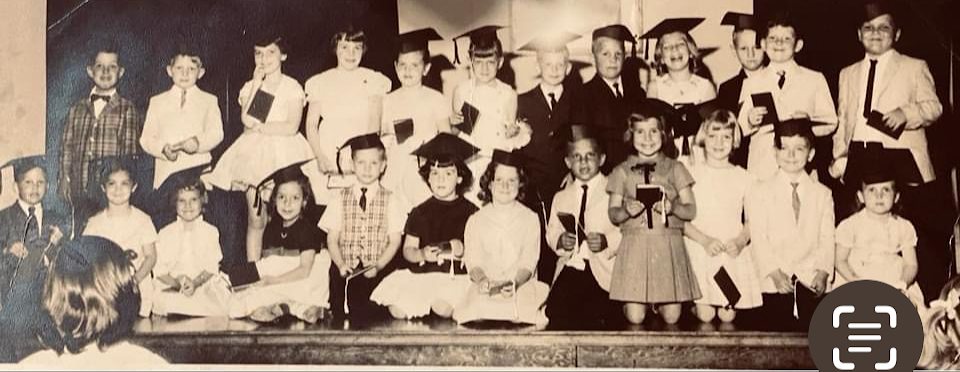
#tbt Mrs. Long’s Kindergarten class in 1964-1965 are (front row, left to right): John Fowlkes, Jana Carey, Tommie Ann Neely, Dorothy Betz, Kenny Allen, Julie Chaffin, Bucky Cantrell, Steven Gubin, Lynn Reeves, Cynthia Dorroh, Wade Tipton, and Deana McDaniel
Back row: Paul Detwiler, Putnam Cunningham, Freda Hamra, Mary Lynn Dorroh, Marilyn Neel, Jenny Coleman, Robert Paul Dunavant, Richard McCoy, Kathy Bolin, Marty Jones, Trey Hayden and Stephen Johnson.
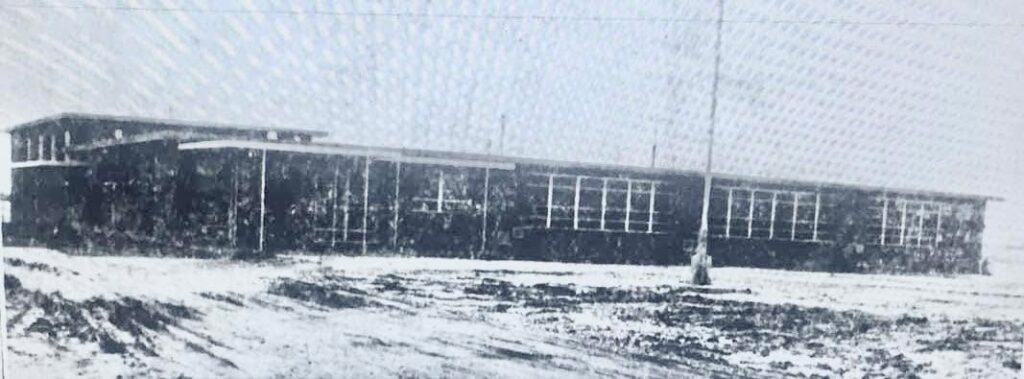
#tbt. East Elementary School was the latest addition to the Steele school plant in 1959. This modern one-story structure replaced the ancient Micola grade school building and is situated east of the high school buildings.
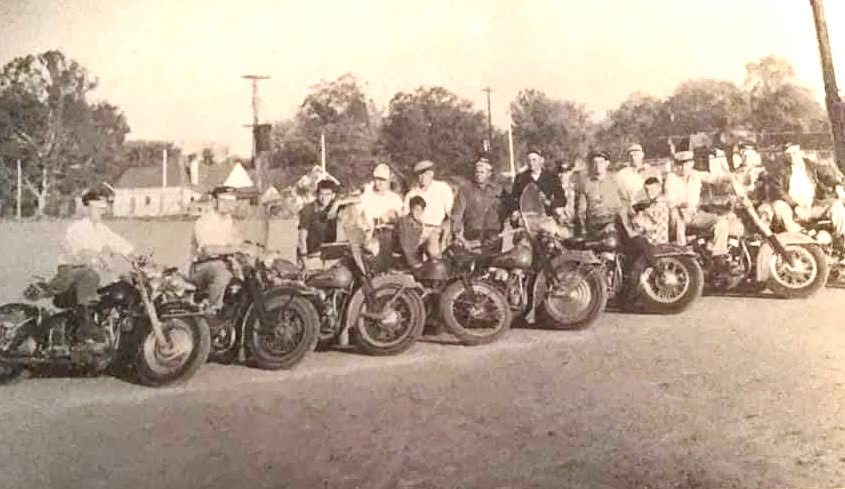
#tbt In the late 1940s, the Missouri Bootheel Motorcycle Club decided to hold Sunday afternoon races at the American Legion Fairgrounds. Several top racers from Memphis came to test the course and proclaimed it the “second-best in all of the middle west”.
The first event in June of 1946 was well-attended and enjoyed; however, in the second year, on June 5, 1947, “Death stalked the trail of the daring riders of the two-wheeled steeds at the fairgrounds in this city last Sunday when the Bootheel Motorcycle Club put on its second annual race and a young man from Mississippi, A. G. Moore III, aged about 21, lost his life when his machine swerved on one of the turns and he crashed against the fence.” He was attempting to pass James “JayBird” Travis of Hayti who was in second place and he hit some loose dirt and lost control. Moore was taken to the Aquino clinic, since Dr. P. J. Aquino was at the races and attended to him at the scene of the accident and was taken to the Blytheville hospital. He died before the ambulance reached Steele.
Moore’s parents were not aware that he entered the races here, as he slipped his riding boots and other paraphernalia from his home without them knowing his intentions. The Motorcycle Club, which was a member of a national association, carried a blanket insurance policy, which provided certain cash benefits in case of accidents or death.
By 1950, there was no further mention in the newspaper about the Motorcycle Club and its races here, but the cycles continued to be popular in the day and time.
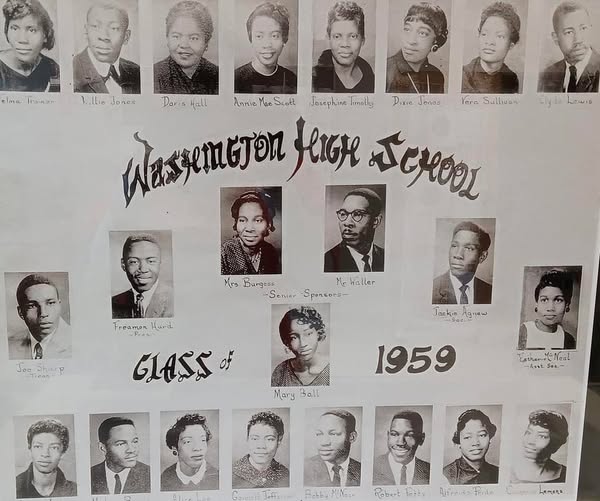
#tbt The Class of 1959 from Washington High School: (Top row – left to right) Velma Trainor, Willie Jones, Doris Hall, Annie May Scott, Josephine Timothy, Dixie Jones, Vera Sullivan, and Clyde Lewis
Class officers and sponsors: (left to right) Joe Sharp, Treasurer, Freamon Hurd, President, Mrs. Burrgess, Mr. Waller and Mary Ball, Jackie Agnew, Secretary, and Catharine McNeal, Assistant Secretary
Bottom row (left to right)Johnnye M. Harris, Melvin Boyce, Alice Lee, Gannett Jefferson, Robert Petty, Alfraida Parker, and Catherine Lemons.
The first mention in local newspapers of Washington school was on January 30, 1934 when the high school chorus performed and on April 4, 1935, when the faculty and students sponsored an Educational Rally. The first commencement exercises were held May 16, 1935 with nine students receiving diplomas.
The school continued until the late 1960s brought federal integration mandates and the campus became Caruthersville Junior High School in 1968.